Best Coffee Machines for Home in Australia (2025 Buyer's Guide)

One surprising stat: over 60% of Australian adults now try to replicate café-style drinks at home each week, turning kitchen benches into mini espresso bars.

This 2025 roundup helps households choose the right device by drink style, bench space and how hands-on they want to be. It does not pick a single winner; instead it shows which model suits espresso lovers, milk-heads and busy early risers.

Readers will find how picks were tested, which machine types match each drinker and quick options by budget. The guide focuses on value-for-money features that move the needle: temperature stability, pressure consistency and sensible workflow design.

Recommendations are Australia-specific, with nods to flat whites and long blacks and the realities of small kitchens and early starts. Each product is explained with who it suits and the trade-offs you should expect at each price point.


Key Takeaways

  • Choices depend on priorities: espresso quality, milk performance, speed and reliability.
  • Space and routine matter as much as machine specs.
  • Look for temperature and pressure stability to improve flavour.
  • We test by real use to match products to typical Australian drinks.
  • Each pick lists who it suits and expected trade-offs at the price shown.

How this guide chooses the best coffee machines for Australian homes

This guide uses hands-on trials that mirror a busy kitchen to judge machines on real-world consistency and ease.

Testing follows a repeatable workflow: dial-in a grind, pull several timed shots back-to-back, then steam milk and score cleanup and reliability.

Best Coffee Machines for Home in Australia

Commercial-style espresso tests for taste, crema and consistency

Editors perform multiple pulls to assess extraction. They note consistent flavour, stable crema and repeatable results when the machine makes several espressos in a row.

Milk steaming tests for latte art-worthy microfoam

Milk evaluation goes beyond volume. Assessors judge whether frothing yields fine microfoam, smooth mouthfeel and pour control suitable for latte art.

Usability checks for half-asleep mornings and busy kitchens

Usability tests measure warm-up time, control clarity and how forgiving the process is during rushed use. Practical ergonomics matter more than specs.

Cleanup and long-term reliability considerations

Reviewers check backflushing, puck handling and maintenance prompts. Long-term quality depends on parts, serviceability and simple routines that protect performance over months.

  • Repeatable method: dial-in → pull → steam → assess.
  • Outcome focus: match picks by habit, weighting performance and convenience differently.

What type of coffee machine suits the way they drink coffee?

Choosing a machine starts with the drink you reach for when the kettle clicks off. Time, tolerance for cleanup and whether milk drinks are daily will narrow sensible options quickly.

Espresso machines for flat whites, lattes and double espresso

Espresso machines deliver the concentrated shot needed for silky milk drinks. They heat water and force it through finely ground, tamped coffee under pressure to create a syrupy, flavour-packed espresso.

This route gives the most control over grind, dose and extraction but needs practice and more cleanup than simpler systems.

Bean-to-cup systems for convenience with fresh beans

Bean-to-cup systems grind and brew automatically. The user presses a button and the unit grinds, tamps and ejects the puck.

They suit households that want fresh beans with minimal fiddling, though they trade some manual control over extraction compared with a portafilter setup.

Pod machines for speed and minimal mess

Pod machines offer the fastest, most consistent cup for casual drinkers. They require almost no cleanup and are simple to operate.

Capsule cost and brand lock-in are the trade-offs to accept if convenience is the priority.

Filter coffee machines for batch brews and lighter cups

Filter coffee excels when multiple cups are needed or a lighter-bodied brew is preferred. These machines usually serve several people and are easy to use across a busy morning.

Control differs by type: espresso fans manage grind and dose, while convenience-first users rely on strength and size presets.

  • Decision lens: consider time available, tolerance for cleanup and how often milk drinks are made.

Best Coffee Machines for Home: quick picks for every budget

Here are compact recommendations that balance bench space, speed and drink quality. These quick picks map typical buyer intent to realistic options and set expectations about trade-offs.

Best all-rounder espresso machine for most households

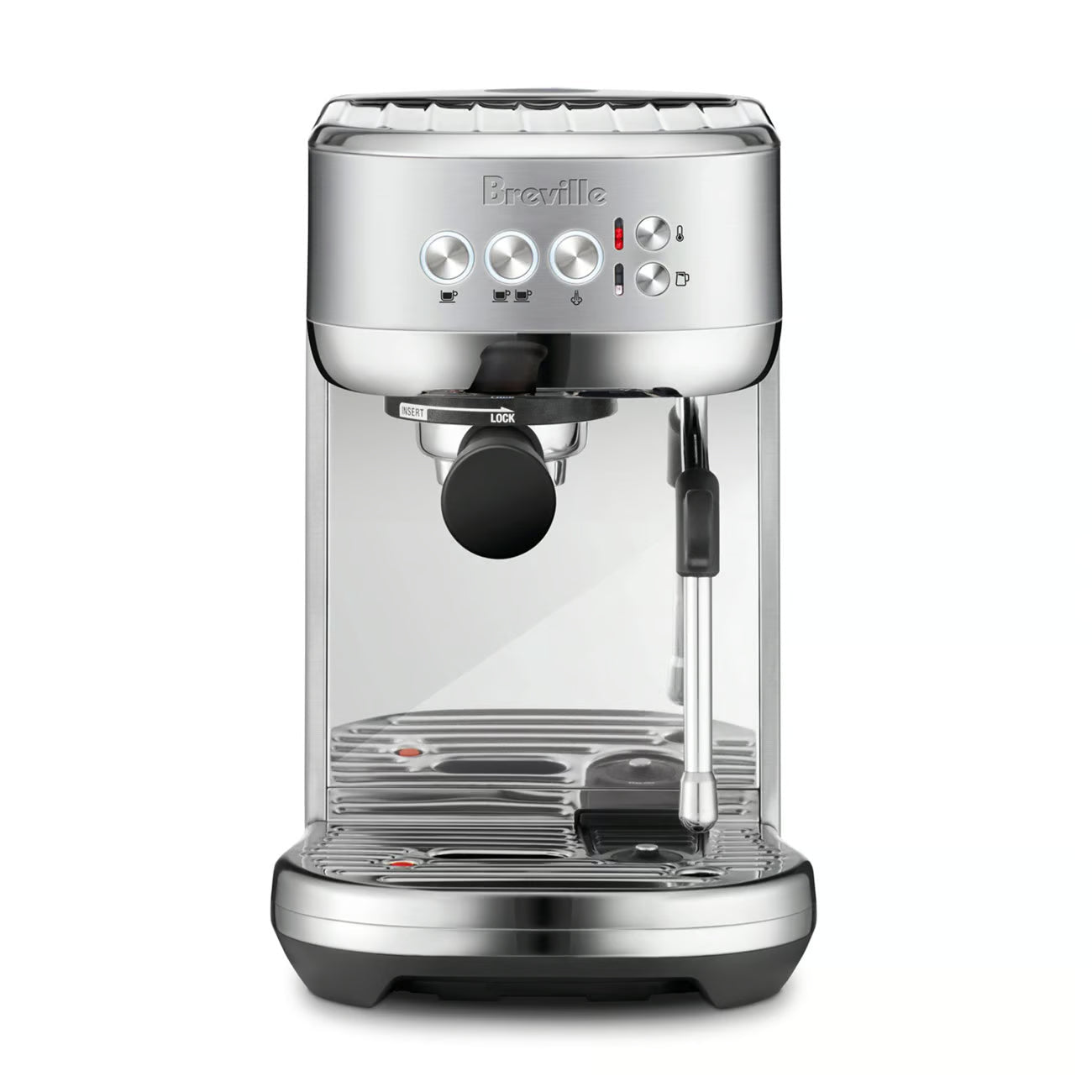
Breville Bambino Plus — prized for temperature stability and fast heat-up. It suits weekday routines and flat-white-friendly milk texturing with little fuss.

Best Coffee Machines for Home in Australia


Best beginner-friendly espresso machine with guided workflow

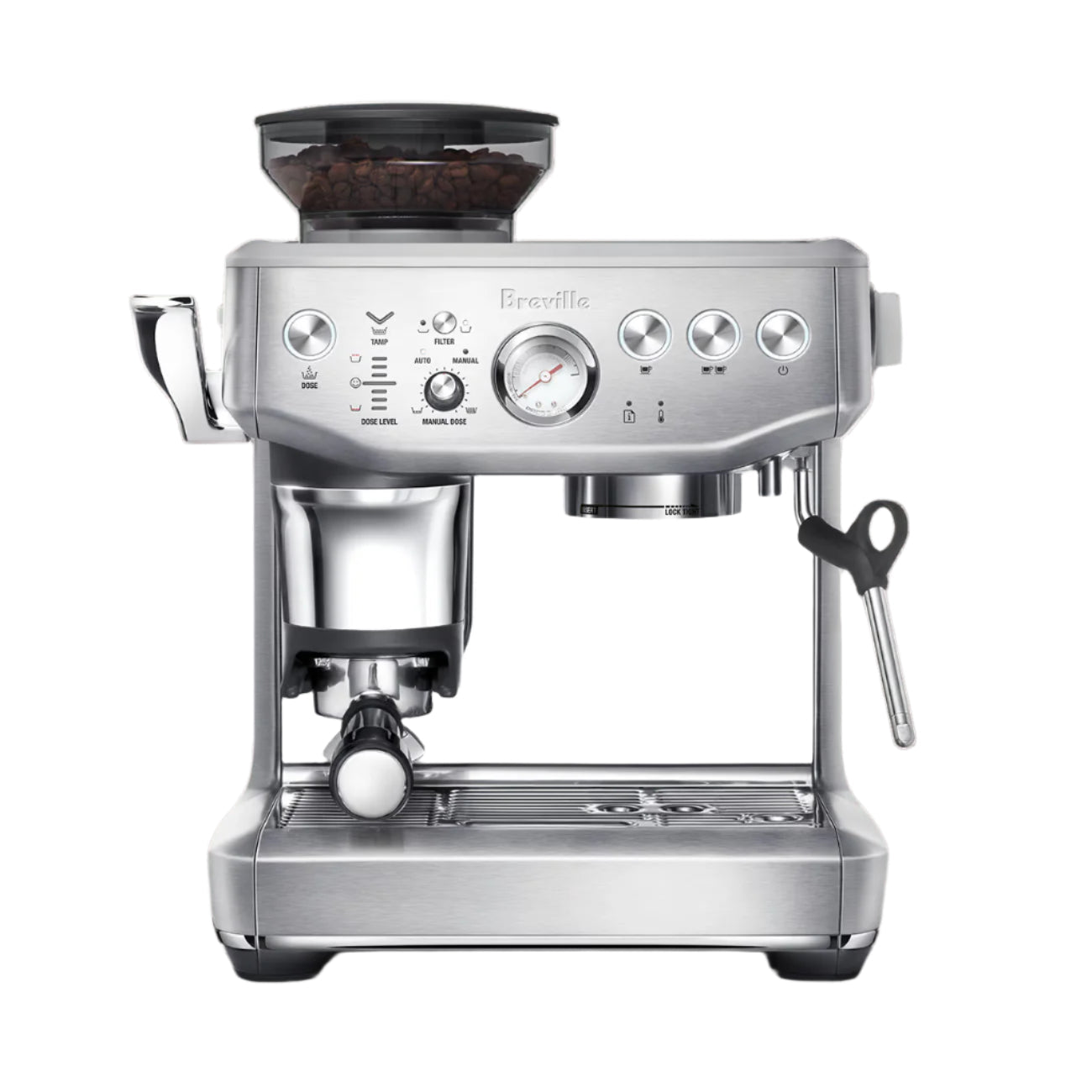
Breville Barista Express Impress — built-in grinder and assisted tamping mean fewer variables while learning. Ideal for new users who still want real espresso quality.

Best Coffee Machines for Home in Australia

Best upgrade choice for hands-off convenience

Breville Oracle Dual Boiler — combines customisation with automatic modes and strong steaming power. It reduces routine fiddling and speeds up back-to-back drinks.

Best Coffee Machines for Home in Australia

Best value options when price matters most

Consider compact pod or entry-level espresso products such as Nespresso Vertuo Pop or Lavazza Jolie. They trade off steaming power and shot repeatability for minimal cleanup and lower purchase price.

  • What changes across budgets: consistency, speed and workflow smoothness—not whether a machine can technically make coffee.
  • Trade-offs: cheaper units may compromise milk texture, shot repeatability or build materials; premium models reduce variables and mess.
  • Next step: jump to the detailed sections by type (espresso-focused, bean-to-cup, pod or filter) to pick the right category and avoid the wrong purchase.

Best home espresso machine overall for quality and consistency

For households that value steady shots and quick readiness, a compact espresso option can hit café-level results without a full pro setup. The Breville Bambino Plus is built around thermal speed and control to deliver that balance.

Breville Bambino Plus

ThermoJet heating brings the group to brew temperature in about three seconds, so the machine is ready fast. That saves time on busy mornings and reduces the temptation to skip rinses or simple upkeep.

Why temperature stability and fast heat-up matter

Temperature affects espresso taste strongly; the target window is roughly 195–205°F to avoid sour or bitter pulls. The Bambino Plus uses PID control around 200°F to keep shots repeatable cup after cup.

Pre-infusion helps even extraction, which is useful when dosing or tamping varies. The auto steam wand offers preset frothing and temperature settings to help latte and flat-white drinkers get reliable microfoam with less skill.

Everyday workflow counts: easy water tank access, clear drip indicators and a compact basket make cleaning straightforward. One limitation: volumetric buttons can be inconsistent; manually stopping the shot often yields better results.

Best espresso machine for beginners who want café-style drinks at home

A common barrier for new users is juggling grinder settings, dosing and tamp pressure at once. The Breville Barista Express Impress reduces that load with an integrated system that guides the workflow.

Breville Barista Express Impress

Built-in grinder and assisted dosing remove many early mistakes. The unit targets an 18 g dose and the assisted tamping lever gives tactile feedback to help hit consistent pressure.

This setup helps shots stay repeatable without needing a separate grinder or a precision scale. That matters in small Australian kitchens where bench space is limited.

What beginners should expect

  • Fewer variables: intelligent dosing and tamping mean fewer adjustments when a shot runs fast or slow.
  • Feedback: clear prompts for under- or overdosing guide simple corrections.
  • Milk and frothing: steam performs well for daily lattes and cappuccinos with a short learning curve.
  • Who should skip it: anyone who already owns a high-end espresso grinder or who wants full manual control for tinkering.

Result: improved consistency at the group head leads to better taste in milk drinks, making the learning phase less punishing and more enjoyable.

Best touchscreen espresso machines for step-by-step control

An on-screen workflow can make espresso setup feel like following a recipe. The De’Longhi La Specialista Touch uses a clear touch interface to guide users through grind, temperature and extraction choices.

De’Longhi La Specialista Touch

De’Longhi’s unit offers touchscreen prompts that ask for taste feedback after shots and then suggests changes. Serious Eats notes the interactive screen helps reduce wasted grind and speeds up dialling in.

Interactive feedback to tweak grind size, temperature and taste

The screen creates a feedback loop: pull a shot, rate the taste, then the machine recommends adjusting grind size or temperature. This systematic approach makes each test more useful.

When a guided system beats manual trial-and-error

Guided does not mean passive. Users still learn what changes do to flavour, but with clearer prompts and fewer blind iterations.

  • Milk and frothing: Good Food praises the manoeuvrable wand and temperature probe for reliable milk texture.
  • Who benefits: households with several users who need consistent results even when skills vary.
  • Caveat: expect some trial shots, but the screen reduces total iterations needed to reach a satisfying espresso.

Best espresso machines for enthusiasts who want to tinker

Enthusiasts who enjoy hands-on tweaking favour machines that reward patience and precision. These units trade automation for a platform that supports upgrades and close involvement with the extraction process.

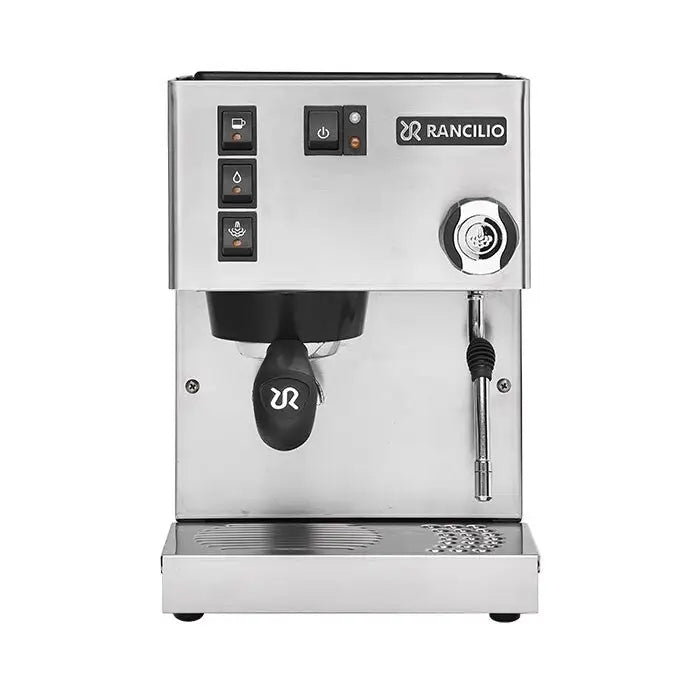
Rancilio Silvia — commercial parts in a compact frame

Rancilio Silvia is a long-time favourite among hobbyists. It uses commercial-grade components that deliver strong steam and durable build quality.

Buy Rancilio Silvia Pro x Espresso Coffee Machine | All – Australia - Di  Pacci

Serious Eats notes Silvia can make excellent shots, but switching to steaming often takes extra time. Large online communities share tuning tips and parts, which helps owners improve taste and reliability.

Gaggia Classic Pro — mod-friendly value under $500

The Gaggia Classic Pro offers solid performance at a sub-$500 price point. It is popular because it accepts upgrades like better baskets and shower screens without major surgery.


Managing temperature swings without PID

Single-boiler machines without a PID can show boiler temperature swings that affect taste — shots may taste sour when too cool or bitter when too hot.

Temperature surfing is a simple routine enthusiasts use: time a short purge and wait for the heating cycle before pulling a shot. It improves repeatability without altering the machine.

Aftermarket PID kits and precision baskets can raise consistency, but they may void warranty and add electrical risk. These models suit people who enjoy the process, not those wanting push-button convenience.

Best dual boiler espresso machines for back-to-back shots and faster milk frothing

When multiple milk drinks are needed in quick succession, a dual boiler setup keeps pace without compromises. Dual boiler systems use one boiler for brewing and a separate boiler for steaming, so brew temperature stays stable while steam is full power.

Breville Oracle Dual Boiler — customisation plus automatic modes

Best Coffee Machines for Home in Australia

Breville Oracle Dual Boiler blends café-level control with helpful automatic modes. It offers repeatable settings for shot time, temperature and milk texture that users can store and recall.

Why dual boilers improve steam power and workflow

With two boilers, the machine maintains brew temperature while steaming. That means faster frothing and consistent microfoam for flat whites and lattes during back-to-back service.

  • Core benefit: speed and consistency when making multiple drinks.
  • Daily use: reliable steam performance shortens frothing time and improves texture.
  • Decision check: ideal if milk drinks are frequent and time matters.
  • Ownership notes: expect a larger footprint, higher price and the need for regular cleaning to protect long-term performance.
Feature Why it matters Practical outcome
Dual boiler Separate brew and steam control Simultaneous pulling and frothing
Programmable temperature Fine tuning for flavour Repeatable espresso quality
Powerful steam wand Greater steam pressure and texture options Faster microfoam, better latte art


Best “in-between” machines for barista-level results with less mess

There is a mid-way category that blends portafilter control with helpful automation to reduce cleanup. These units keep a real portafilter but remove the messiest steps so households get café-style shots with less fuss.

Sage Barista Touch Impress and Barista Touch Impress with Cold Brew

The barista touch family pairs guided settings and assisted tamping. The barista touch impress model adds on-screen prompts and refined frothing presets that help newcomers and busy users alike.

Touch Impress-style assisted dosing, tamping and on-screen guidance

The touch impress system automates dose and tamp to improve repeatability and cut grounds on the bench. A clear screen guides grind, shot length and milk texture so fewer tests are wasted.

Who should pay more for automatic milk texturing and control

Automatic frothing suits regular latte drinkers and multi-user homes. It removes the steep learning curve for silky microfoam and keeps results consistent across different users.

  • Worthwhile: latte-heavy households and shared kitchens.
  • Not ideal: black-coffee-only drinkers or those who prefer full manual steaming.
  • Realistic note: a short dial-in period still helps match grind and dose, but the process is faster than fully manual setups.

Best bean-to-cup coffee machines for one-touch convenience

A bean-to-cup system is ideal when convenience matters most: fill the beans, top up the water and press a button. Coffee Kev defines true bean-to-cup units as those with a built-in grinder and an internal brewing unit that tamps and ejects automatically.

De’Longhi Magnifica Evo Next — modern profiles and one-touch milk

The Magnifica Evo Next suits multi-user households. It offers user profiles, Thermoblock heat control and a one-touch milk carafe so different people can save strength and cup size.

Why choose it: simple menus, consistent extraction and low maintenance if the waste bin and drip tray are emptied regularly.

Gaggia Anima — simple controls and straightforward double shots

The Gaggia Anima is an old-school option that avoids touchscreen complexity. It has clear, tactile controls and still delivers true double espresso when it physically doubles dose.

Note: some bean-to-cup machines simulate a double by running two singles; the Anima prefers the classic approach, which affects strength and taste.

De’Longhi Rivelia — custom profiles with rich crema

The Rivelia sits between simplicity and customisation. Good Food highlights its thick crema and easy profile setup for repeatable cups.

Kitchen fit matters: check hopper clearance under cupboards, water tank access and expect grinding noise around 60–70 dB in early mornings.

  • Practical trade-off: bean-to-cup units favour consistency over the syrupy intensity of a dialled-in portafilter espresso.
  • Daily routine: top up beans and water, press a button, and empty waste regularly to keep quality high.

Best pod coffee machines for fast, consistent espresso-style drinks

When time is tight, pod systems deliver repeatable espresso-style cups with almost no mess. They suit households that prioritise speed and tidy benches over manual control.

Nespresso Vertuo Pop for thick crema and simple use

Nespresso Vertuo Pop is noted for producing a richer crema and a reliably full shot. Good Food praises its simple operation and quick warm-up, though it can be noisy and requires Vertuo pods, which locks the user into that ecosystem.

Lavazza Jolie for a tiny footprint and strong value

Lavazza Jolie suits very small kitchens and apartments. It offers a compact body, manual stop for single espresso and solid results at a low price. Its drip tray and pod ejection are straightforward to use.

What “espresso-style” means: convenient, repeatable shots with crema-like foam but limited control over grind and dose.

Model Warm-up time Footprint Ongoing cost
Nespresso Vertuo Pop Fast (under a minute) Small Higher — branded pods
Lavazza Jolie Quick Very small Lower — budget pods


Decision check: pod users who want lattes should budget for a separate frother. Consider long‑term pod spend versus machine price when choosing an option.

Best filter coffee machines for batch brewing and easy mornings

For households that want steady batch output and predictable flavour, filter units simplify the routine.

Fellow Aiden: premium control and a refined brew

Fellow Aiden suits an enthusiast who wants precise pour profiles and hands-on control. It offers adjustable flow rates and temperature settings that improve extraction and clarity.

The result is a clean, bright cup that highlights subtle notes rather than syrupy intensity.

Sage the Luxe Brewer Thermal: larger volumes and heat retention

Sage the Luxe Brewer Thermal targets bigger batches. Its thermal carafe keeps a full jug tasting fresher than a hotplate model, and programmable presets speed up routine mornings.

How filter taste compares with espresso

Expect a lighter body, more clarity and often higher perceived acidity compared with concentrated espresso. Serious Eats notes that espresso delivers syrup-like intensity; a drip brew emphasises texture and nuance instead.

  • Good for multiple cups in one cycle—families and long desk mornings.
  • Key factors: batch size, brew time and stable temperature for even extraction.
  • Buying note: Australians who mostly drink milk-based drinks should note filter units excel for black drinkers and won’t match flat-white strength.

Key features that change coffee quality at home

A handful of hardware features drive most of the difference between a good cup and a great one. Buyers should hunt for a few proven elements rather than be dazzled by extras.

Temperature targets and why stability affects flavour

Target range: quality espresso is typically brewed with water around 195–205°F. Staying inside that window avoids sour under‑extraction or bitter over‑extraction.

Stability matters most when pulling multiple shots or moving from idle to brewing. A visible PID or a well‑designed thermoblock reduces swings and makes taste repeatable.

Pressure consistency and what “nine bars” means in practice

Marketing may claim high peak pressure, but what counts is steady pressure during extraction. Around nine bars is the practical benchmark Serious Eats cites.

Consistent pressure prevents wild channeling and yields a fuller body and consistent crema. Focus on control, not the highest number listed.

Pre-infusion for more even extraction

Pre‑infusion wets the puck at lower pressure before full extraction. That reduces channelling and helps lighter roasts bloom evenly.

For newer users, pre‑infusion increases tolerance for imperfect tamping or grind distribution, giving cleaner shots with fewer wasted adjustments.

Filter basket quality, portafilter fit and distribution

Basket geometry, hole pattern and a tight portafilter seal affect how water meets the grounds. Poor fit or cheap baskets lead to messy pucks and uneven taste.

When comparing specs, look for solid metal baskets, accurate fits and notes about distribution. Together with stable heating and pressure control, these parts drive cup outcomes: sourness, bitterness, weak body or inconsistent crema.

  1. Quick buying lens: choose PID or proven thermoblock, verified pressure control and sturdy parts where water contacts the grounds.
  2. Why it matters: these features change taste more than cosmetic extras or higher wattage claims.

Grinder and grind size decisions that matter more than the machine

Choosing the right grinder can be the single biggest flavour upgrade in a home espresso setup. Once a machine meets basic temperature and pressure needs, the grinder often dictates cup balance and texture.

Built-in grinder vs standalone: built-in units add convenience and reduce bench clutter. They suit users who value simplicity and fewer steps in the morning.

Built-in grinder versus standalone grinder

Pros: less equipment to store, quicker routine and tidy workflow. Cons: many built-in grinders lack the fine range and repeatable settings needed to chase top espresso taste.

Serious Eats notes that espresso grinders must reach a much finer setting than typical burr models. That finer range helps avoid sour or bitter shots.

Dialling in: grind, dose and time

"Dialling in" is a repeatable process: adjust grind, tweak dose, then measure shot time and taste. Small grind changes shift extraction quickly.

If shots taste sour, make the grind finer or increase dose. If shots taste bitter, try a coarser grind or a shorter time. Repeatable settings let users return to a known point after changing beans.

Why espresso grinders need fine range and repeatable settings

Enthusiasts and households that switch beans often should choose a standalone grinder. It gives the control and range needed to refine taste without wasting many test shots.

  • Practical note: grinders affect noise, mess and speed—important in shared flats and early mornings.
  • Investment tip: a slightly better grinder can improve quality more than upgrading the machine.

Milk systems explained: from quick cappuccinos to silky microfoam

Milk steaming style defines morning routines: quick foam, latte-art microfoam or hands-off carafes each suit different households.

Panarello steam wands — easy foam, fast results

Panarello wands are beginner-friendly and make frothing quick. They create a foamier, classic cappuccino texture with larger bubbles.

They suit users who want a fast cup with little fuss. Expect less control over microfoam and limited latte art potential.

Pro steam wands — texture and temperature control

Professional-style wands give the most control. With practice, they produce fine microfoam and steady temperature for latte art.

Serious Eats highlights that powerful, consistent steam pressure — often found in dual-boiler and higher-end units — is vital to repeatable microfoam.

One-touch carafes — convenience and caveats

One-touch carafes froth automatically, ideal for weekday routines and multi-user households. They cut hands-on time and speed up service.

However, they can limit fine texture control, take extra bench space, and add cleaning steps. Buyers should match the milk system to daily habits: regular milk drinks favour control, while occasional cappuccinos benefit from convenience.

  • Tip: decide whether taste and latte art or push-button consistency matters more before choosing a system.

Cleaning, water and running costs for Australian kitchens

Routine cleaning and sensible water choices shape taste, reliability and the ongoing price of ownership more than small spec differences. A household that keeps the machine clean will enjoy better espresso, fewer service calls and lower total costs over years.

Backflushing and automatic cleaning cycles

Backflushing with a blind basket and detergent is the standard for espresso machines. Serious Eats recommends this as a best practice: it removes oils and keeps valves moving freely.

Many modern units include guided or automatic cleaning cycles and maintenance reminders. Those features reduce friction and raise the chance the household will actually follow the process, protecting flavour and parts.

Water tank size, refills and maintenance routines

Tank capacity and placement affect daily use. Removable tanks that fit under kitchen cupboards reduce refill time and make morning routines simpler.

For small households, a 1–2‑litre tank means daily refills. Larger families will favour bigger tanks or plumbed options to cut interruptions during peak morning time.

What impacts longevity over years of daily use

Longevity comes from simple, repeatable habits: purging the group, wiping the steam wand after each use, emptying drip trays and descaling on schedule. Leaving milk residue or hard-water scale dramatically shortens service life.

Running costs include cleaning tablets, descaler, water filters, replacement gaskets and, for pod users, capsule spend. These add up and can outweigh the initial price over several years.

Item Why it matters Practical tip
Backflushing Removes oils and keeps group valves clear Use detergent monthly; run guided cycles when available
Water filter Reduces scale and improves taste Match filter to local hardness; replace per manufacturer
Tank size Affects refill frequency and morning convenience Choose removable tank if bench space is tight
Daily wand care Prevents milk burns and bacterial build-up Wipe immediately and purge after every steam


Buyer checklist for Australia: check local water hardness, use a compatible filter if needed, prefer machines with clear maintenance prompts and choose a tank size that suits the household's morning routine. A unit that's easy to keep clean will be used more often and keep producing high-quality espresso over the years.

Conclusion

The smartest purchase links the household's routine with a machine that fits bench, skill and time.

Pay attention to a strong, practical focus on stable temperature, consistent pressure and a sensible workflow. These factors change taste and overall quality more than flashy extras.

If café-style espresso is the goal and they will learn, choose a capable espresso machine and prioritise a good grinder. If ease matters more, bean-to-cup systems or pods give reliable options with less fuss.

Factor in cleaning, water refills and bench footprint so the unit sees daily use. Revisit the quick picks, match a model to budget and drinks, then use the grinder, milk and maintenance guides to confirm the choice.

FAQ

Which type of espresso machine is best for making flat whites and lattes at home?

Espresso machines with good temperature stability and a capable steam wand suit flat whites and lattes. Semi‑automatic machines such as the Breville Bambino Plus or the Sage Barista Touch Impress deliver consistent shot quality and reliable milk texturing, while dual boiler models offer faster steam recovery for back‑to‑back drinks.

Do bean-to-cup systems brew better espresso than using a separate grinder and machine?

Bean‑to‑cup systems prioritise convenience and repeatability. Models like the De’Longhi Magnifica Evo Next produce consistent espresso with minimal fuss, but dedicated grinders plus an espresso machine generally yield finer control over grind size, dose and extraction for enthusiasts seeking the best flavour.

Are touchscreen or guided machines worth the extra cost?

Touchscreen machines such as the De’Longhi La Specialista Touch and Sage Barista Touch Impress add guided workflows and on‑screen feedback that reduce errors. They suit users who want café results without a steep learning curve. Manual machines can be cheaper but require more skill to dial in shots and milk texture.

How important is grind size and grind consistency for espresso?

Grind size and consistency are critical. Espresso needs a fine, even grind to extract balanced flavours. A quality espresso grinder with repeatable settings prevents channeling and inconsistent shots. Built‑in grinders are useful, but a dedicated burr grinder offers better range and longevity.

What does dual boiler mean and when do they help?

Dual boiler machines have separate boilers for brewing and steaming. That separation stabilises temperature and allows simultaneous extraction and milk texturing, ideal for households that make multiple milk drinks in quick succession. The Breville Oracle Dual Boiler is a common example.

How often should the machine be cleaned and descaled in Australian water?

Daily cleaning of the portafilter, steam wand and drip tray prevents flavour transfer. Backflushing with detergent is recommended weekly for machines that support it. Descale intervals depend on local water hardness but typically occur every 2–3 months; using filtered water reduces scale and extends component life.

Can inexpensive machines produce a good double espresso?

Budget machines such as the Gaggia Classic Pro can produce an enjoyable double espresso when paired with the right grinder and fresh beans. While they lack advanced temperature control or automatic dosing, careful grind, dose and tamping can yield strong, flavourful shots.

What are the differences between pod machines and espresso machines in taste and crema?

Pod machines like the Nespresso Vertuo Pop offer fast, consistent drinks and reliable crema but with limited control over extraction variables. Traditional espresso machines allow finer tuning of grind, dose and temperature, which typically produces richer flavour complexity and crema when dialled in correctly.

Is a built‑in grinder a good trade‑off versus a standalone grinder?

A built‑in grinder simplifies setup and saves counter space, useful for casual users. Standalone grinders provide superior grind quality, more grind settings and easier maintenance, making them preferable for those who prioritise control and long‑term flavour performance.

How do water tank size and maintenance affect daily use?

Larger water tanks reduce refill frequency, convenient for busy households. Regularly replacing water filters and cleaning tanks prevents off‑flavours and reduces scale. Machines used daily benefit from a larger tank and easy‑access reservoirs to streamline morning routines.

What features improve milk frothing for latte art?

Pro steam wands with good steam pressure and a wide steam tip enable microfoam and finer texture needed for latte art. Assisted carafes and one‑touch systems speed the process but can limit control. Practice plus a machine with stable steam power produces the best results.

How does temperature stability affect espresso flavour?

Stable brew temperature ensures even extraction and predictable flavour. Fluctuations can cause sour or bitter notes. Machines with PID control or good heat‑exchange designs maintain target temperatures and yield more consistent shots.

What should someone look for when choosing a filter coffee brewer?

Look for adjustable brew temperature, even pour‑over or showerhead distribution and a consistent flow rate. Models such as the Fellow Aiden or Sage the Luxe Brewer Thermal offer precise control and thermal carafes for larger volumes, producing clearer, cleaner filter cups compared with espresso.

Which models offer the best value when price matters most?

For strong value, models like the Gaggia Classic Pro and entry‑level Breville machines combine durable components and good shot quality without premium price tags. For pod systems, the Lavazza Jolie delivers reliable espresso‑style drinks at a low cost per machine.

Leave a comment