Lelit Espresso Machines: Buyer’s & Ownership Guide

Lelit Espresso Machines: Buyer’s & Ownership Guide

Author: Pavan Dongre
Coffee Equipment Specialist & Espresso Machine Reviewer

Pavan Dongre specialises in espresso machines, including premium Italian brands such as LELIT. His work focuses on helping buyers understand machine build quality, brewing performance, and long-term ownership considerations so they can confidently choose the right espresso machine for home or prosumer use.

Stunning fact: nearly 40% of home coffee enthusiasts in Australia report a clear upgrade in drink quality after switching to a purpose-built machine.

This guide explains what Australian shoppers need to compare across the Lelit range. It shows how to match models to drink style, daily frequency and bench space.

Readers will learn what daily ownership feels like, the learning curve for dialling in, and why *good value* is more than the purchase price. The text is ownership-minded rather than a bare spec list.

Lelit Espresso Machines: Buyer’s & Ownership Guide

The article moves from a concise range overview into a practical choosing framework, then into buying, delivery and after-sales in Australia. It flags recurring decision themes: temperature control, steaming performance, workflow speed and long-term maintainability.

By the end, readers can shortlist models and identify the extra kit they need to get cafe-quality coffee at home, with clear expectations of everyday use and upkeep.

Key Takeaways

  • Practical guide for Australian buyers to compare the Lelit range and lelit models.
  • Focus on ownership: routine use, learning curve and real value.
  • Shortlist models based on drink style, bench space and frequency.
  • Decision themes include temperature, steam, workflow and serviceability.
  • Coverage moves from overview to buying, delivery and after‑sales in Australia.

Lelit Espresso Machines range overview for Australian buyers

Lelit Espresso Machines: Buyer’s & Ownership Guide

This section maps the Italian-made range so Australian buyers can match models to daily routines and bench space.

Why Italian manufacture matters: heritage often means tighter part tolerances, considered styling and realistic expectations for long-term support in the prosumer segment.


Machine categories explained

Single boiler: simpler, lower cost and compact. Users swap between brewing and steaming, so milk drinks take slightly longer.

Heat exchanger (HX): one boiler with separate flow path. It lets you brew and steam in quick succession and keeps temperatures more stable for back-to-back drinks.

Dual boiler: separate boilers for brew and steam. It gives strong steaming power and tight temperature control for those who make many drinks.

Common reference models

Three market benchmarks for comparison: lelit elizabeth, lelit mara and lelit bianca. They show different workflows, feature levels and price points for one-group home setups.

Model Category Best for
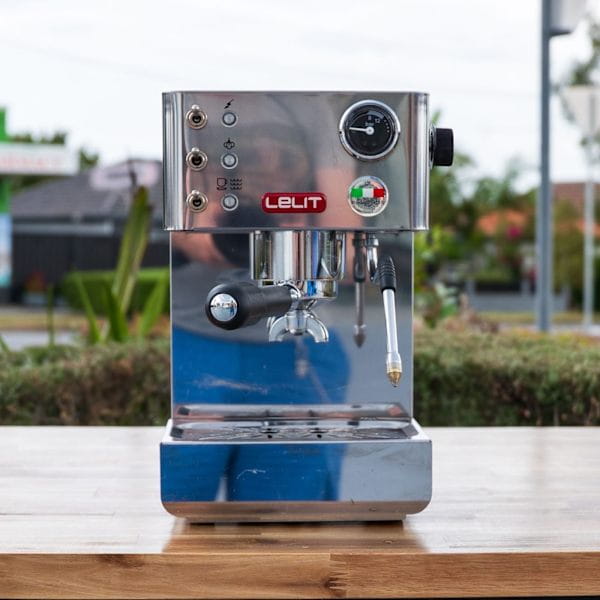
Lelit elizabeth Entry / single boiler Casual users; compact benches
Lelit mara Heat exchanger Speed and routine milk drinks
Lelit bianca Dual boiler Profiling, frequent entertaining


Key trade-offs: warm-up time, steaming power, consistency and how much control over brew temperature the buyer wants.

Choosing the right Lelit coffee machine for home espresso

Choosing the right home coffee setup starts with matching daily habits to the machine’s workflow and control level.

Domestic, one-group setups and who they suit

One-group units suit households that want café-style drinks without a commercial footprint. They work well for couples or small families who value a predictable workflow.

These machines focus on consistency rather than high-volume throughput. Users trade maximum speed for compact size and simpler maintenance.

Single boiler choices for milk-and-coffee routines

Single boiler models are compact and cost-effective. They require switching between brew and steam modes, so making multiple milk drinks is slower.

If the home mainly drinks flat whites or cappuccinos, look for quick heat-up and a strong steam wand to reduce wait times.

Heat exchanger options for speed and temperature stability

Heat exchanger (HX) designs feel faster day-to-day because they let brewing and steaming happen in quick succession.

HX units hold brew temperature steadily, which helps extraction consistency when making back-to-back milk drinks.

Dual boiler machines for frequent entertaining and back-to-back drinks

Dual boiler models suit frequent entertaining and those who prepare many milk drinks in a row. Separate boilers give dedicated control for brew and steam.

They reduce juggling and deliver repeatable results during long sessions with guests.

PID control, heat management and why it matters

PID is a temperature regulator. It keeps brew temperature steady and cuts guesswork when adjusting recipes.

What it does not do: it cannot fix poor grind or tamping. It does make extraction more repeatable across shots.

Good heat management improves warm-up, recovery between shots and cup-to-cup consistency.

Build and finish: stainless steel, durability and bench aesthetics

Stainless steel panels offer longevity, easy cleaning and resistance to corrosion in Australian homes.

Steel finishes also age well and suit varied kitchen styles, from modern to classic benches.

Integrated vs separate grinder considerations

The grinder often matters as much as the coffee unit. Separate grinders give upgrade paths and easier servicing.

Integrated options like the lelit anita save space and simplify setup. They can suit buyers who want a tidy, single-stand solution.

Model match guide

Model Best for Key strength
Lelit bianca Control-focused users Dual boiler, profiling and PID precision
Lelit mara Speed and routine milk drinks HX workflow, quick back-to-back steaming
Lelit elizabeth Compact benchtop needs Single boiler, small footprint
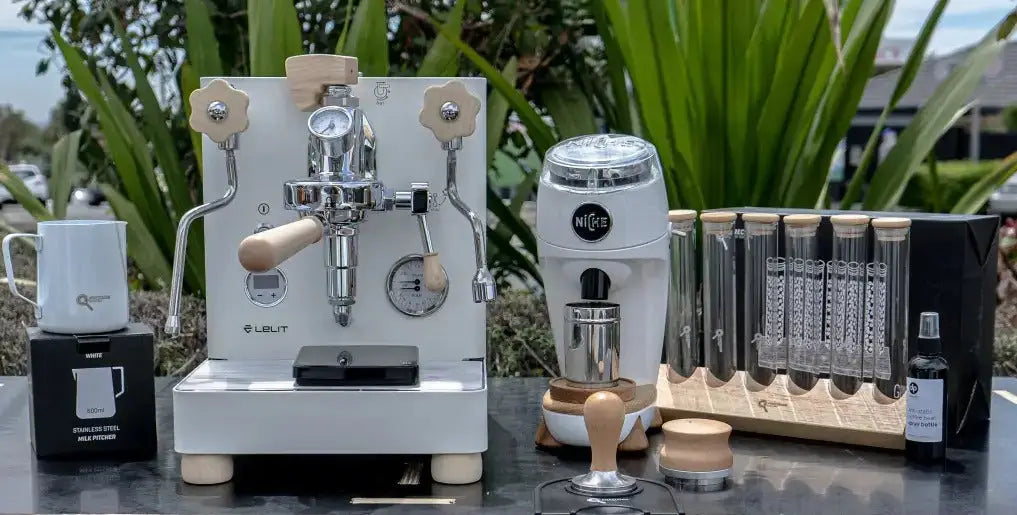
Lelit victoria Entertaining and regular milk drinks Robust steam, solid stainless steel finish


Buying, pricing and after-sales support in Australia

Australian buyers should weigh availability, pricing and local support before committing to a home coffee setup. These practical checks save time and money and set realistic expectations for delivery and upkeep.

Stock, listings and what they mean

Retail filters such as in stock, new and used signal different lead times and warranty expectations.

In stock usually means fast dispatch and full warranty. New stock is similar but may need a short wait. Used items cut initial price but often have limited cover and may need immediate servicing.

Price, sales and assessing value

Price moves up with advanced control, stronger steaming and higher-grade build like stainless steel panels.

During a sale check the exact model code, included accessories and the warranty period to avoid false economies.

Accessories, grinders and essential add-ons

  • Must-haves: a capable grinder, water filtration, tamper, scales and cleaning tools.
  • A good grinder often affects daily results more than the machine and will add to total ownership cost.

Service, delivery and privacy basics

Australian retailers will ask for contact and delivery details to fulfil orders and support warranty claims.

Payments are normally processed via secure external banking systems; cookies may be used to improve the shopping experience.

Conclusion

Decide by routine: match drink habits and speed needs to the right boiler category, then narrow choices by control features and workflow preferences. Keep the bench footprint and daily pace front of mind when shortlisting.

Strong tip: pair the chosen unit with an appropriate grinder and simple water filtration to secure consistent results.

Before buying in Australia, final-check availability, included accessories, warranty terms and after‑sales support. Compare sale pricing against what is actually in the box and the local support available for peace of mind.

Choose the option that fits solo mornings or entertaining, bench constraints and the willingness to learn dial‑in and milk skills. Review current model listings and build a complete at‑home kit to improve daily outcomes.

Questions People Ask About LELIT Espresso Machines

Are LELIT Espresso Machines Worth It?

Yes. LELIT espresso machines are considered strong value in the prosumer category due to their temperature stability, build quality, and brewing control. With proper setup and maintenance, they deliver consistent, café-quality espresso at home.

Are LELIT Machines Made in Italy?

Yes. LELIT espresso machines are designed and manufactured in Italy, combining traditional espresso craftsmanship with modern brewing technology.

What Warranty Covers LELIT Espresso Machines in Australia?

In Australia, LELIT espresso machines typically include a 2-year manufacturer’s warranty covering defects in materials and workmanship when used as intended in a home environment.

Why Trust This Guide?

This guide was written by a coffee equipment specialist with experience evaluating espresso machines across different categories, including manual, semi-automatic, and fully automatic models. The insights shared are based on hands-on research, established espresso extraction principles, and real-world ownership considerations such as maintenance, durability, and usability rather than promotional claims.

Leave a comment