Buying a Second-Hand Coffee Machine? Here’s Everything Experts Want You to Know

Buying a Second-Hand Coffee Machine? Here’s Everything Experts Want You to Know.


Why Trust This Guide?

This guide is written for operators making time-sensitive equipment decisions — not hobbyists or spec-sheet readers. It reflects how used espresso machines perform in Australian cafés under real service conditions, including power limits, water hardness, technician access, and peak trading pressure.

Every recommendation prioritises uptime, hygiene, serviceability, and repeatable output. The advice here aligns with how technicians inspect machines, how refurbishers price risk, and how cafés avoid costly mistakes after installation.

Surprising fact: Nearly one in three new Australian cafés consider a pre-owned espresso machine when opening or expanding, driven by tighter budgets, faster timelines, and rising fit-out costs.

This practical guide explains what “second-hand” really means in the market — pre-loved, ex-demo, open-box, or ex-training units — and how those labels affect risk, lifespan, pricing, and warranty expectations.

The focus is on what keeps cafés trading: capacity planning, group size selection, power and plumbing checks, water filtration, service records, and identifying red flags like hidden corrosion or scale damage.

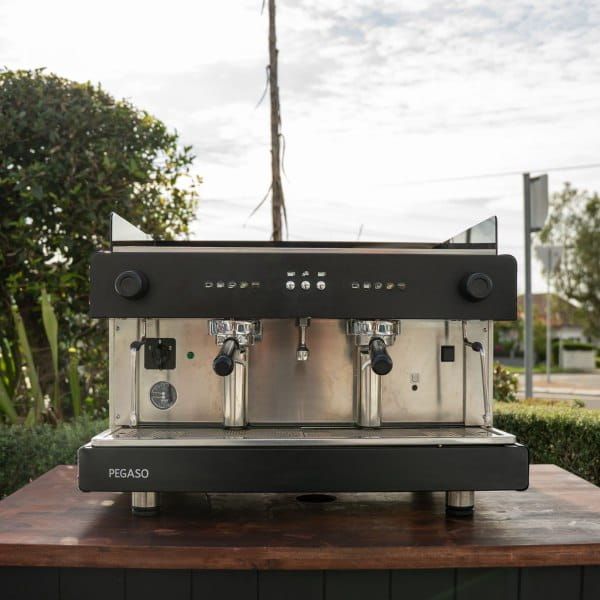
Second-hand commercial espresso machine inspected for resale

Key Takeaways

  • Understand resale terms — they signal risk and remaining lifespan
  • Size the machine for peak demand, not average trade
  • Verify power, plumbing, and water treatment compatibility
  • Prioritise documented service history and local parts access
  • Watch for Australian-specific pitfalls like incorrect amperage

Why a Second-Hand Coffee Machine Makes Sense for Australian Cafés

Buying used often frees capital for grinders, water filtration, staff training, and fit-out — investments that directly affect daily quality and uptime.

Commercial espresso machines depreciate heavily in their first years. A well-maintained unit can deliver café-standard performance for a fraction of the new price, especially from established brands with predictable service patterns.

When Less Technology Is an Advantage

Simpler controls reduce failure points and shorten training time. For many cafés, reliability and speed matter more than advanced programmability.

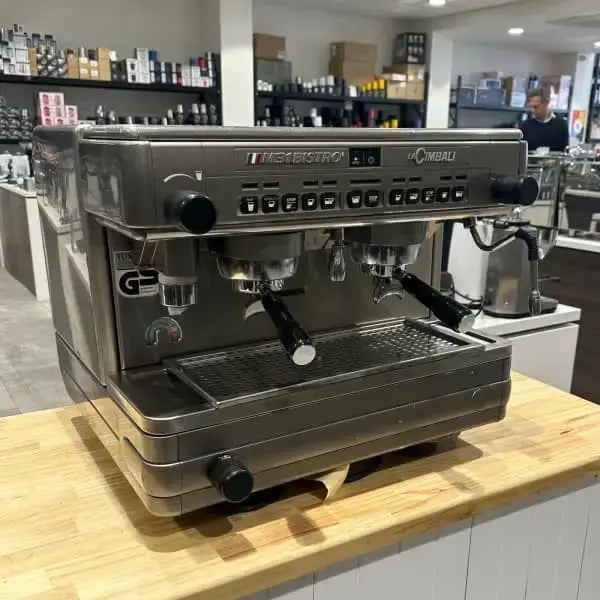
Second-hand two group commercial espresso machine suitable for 10 amp installation

Aspect New Used (Serviced) Practical Impact
Upfront cost High Lower Better cashflow for opening costs
Parts availability Variable Strong for established brands Faster repairs, less downtime
Controls More features Simpler operation Easier staff training
Warranty Full manufacturer Short refurb warranty Service history becomes critical

Setting the Brief Before Shopping: Volume, Menu & Workflow

Design for your busiest 15–30 minutes. Average daily volume hides service stress.

  1. Estimate daily cups and identify peak service windows.
  2. Calculate drinks served in the busiest 15–30 minutes.
  3. Choose group size to exceed peak demand with recovery margin.

Undersized machines increase queues, stress staff, and reduce consistency.

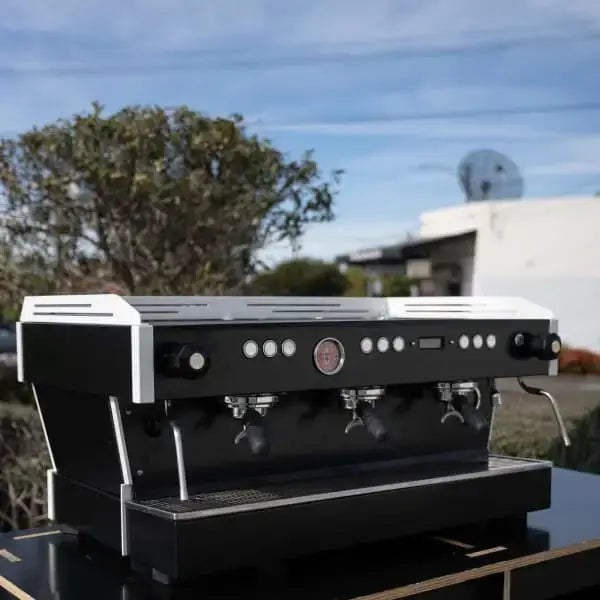
Second-hand three group La Marzocco commercial espresso machine

Milk-Heavy Menus and Steam Performance

Strong steam recovery and dry steam output matter more than boiler size alone. Milk-heavy menus require simultaneous extraction and steaming without pressure drop.

Bench Layout and Future Growth

Allow space for cups, jugs, knock box, service access, and future growth. Buying one extra group is often cheaper than replacing an undersized machine within a year.

Choosing Group Size: The Most Important Filter

One Group

Best for kiosks and very low volume. Struggles during peaks.

Two Group

The Australian café standard — balances throughput and footprint.

Three Group

Designed for heavy peaks, multiple baristas, and fast recovery.

Four Group

High-volume hospitality and events. Requires significant infrastructure.

Technical Specifications That Matter in Australia

Power: 10 Amp vs Dedicated Circuits

Many used listings highlight “10 Amp” compatibility. These units suit small sites without electrical upgrades. Larger multi-group machines may require dedicated or three-phase supply.

Tall Cup Clearance

Adequate clearance improves takeaway speed and scale use. Measure against actual cup sizes.

Plumbing and Water Treatment

Australian water hardness makes filtration non-negotiable. Poor water care shortens machine life and voids warranties.

Service History, Refurbishment & Bench Testing

A documented service history separates safe purchases from expensive mistakes.

  • Request itemised service invoices
  • Confirm replaced parts and dates
  • Ask for bench-test reports showing pressure and temperature stability

Total Cost of Ownership: Beyond the Listing Price

Installation, filtration, servicing, accessories, and downtime shape real cost per cup.

  • Confirm what “free installation” includes
  • Budget for filtration and routine servicing
  • Plan for spare parts and contingency

Conclusion

The best second-hand purchases come from matching real demand to proven machines — not chasing the cheapest listing.

Shortlist trusted brands, verify service history, confirm Australian technical fit, and budget for ownership — not just purchase.

FAQ

Is buying a second-hand commercial espresso machine risky?

Risk depends on service history, refurbishment quality, and local support. Well-documented machines from established brands can be highly reliable.

What matters more than price when buying used?

Service records, water care history, correct power and plumbing compatibility, and parts availability matter more than headline price.

Which brands hold value best in Australia?

La Marzocco, Nuova Simonelli, Wega, and similar brands with strong local support retain value and are easier to service.

Leave a comment