Coffee Grinder Buying Guide (Home & Commercial)

Surprising fact: By 2025, CoffeeGeek reports that grinders delivering performance once reserved for premium tiers are now widely available around the $200 range, with capable entry options close to $100. This shift has significantly changed how buyers should approach grinder selection.

This guide defines clear, practical criteria for choosing a coffee grinder for Australian homes and commercial environments. It avoids hype and focuses on what consistently improves results: grind consistency, retention control, durability, and workflow.

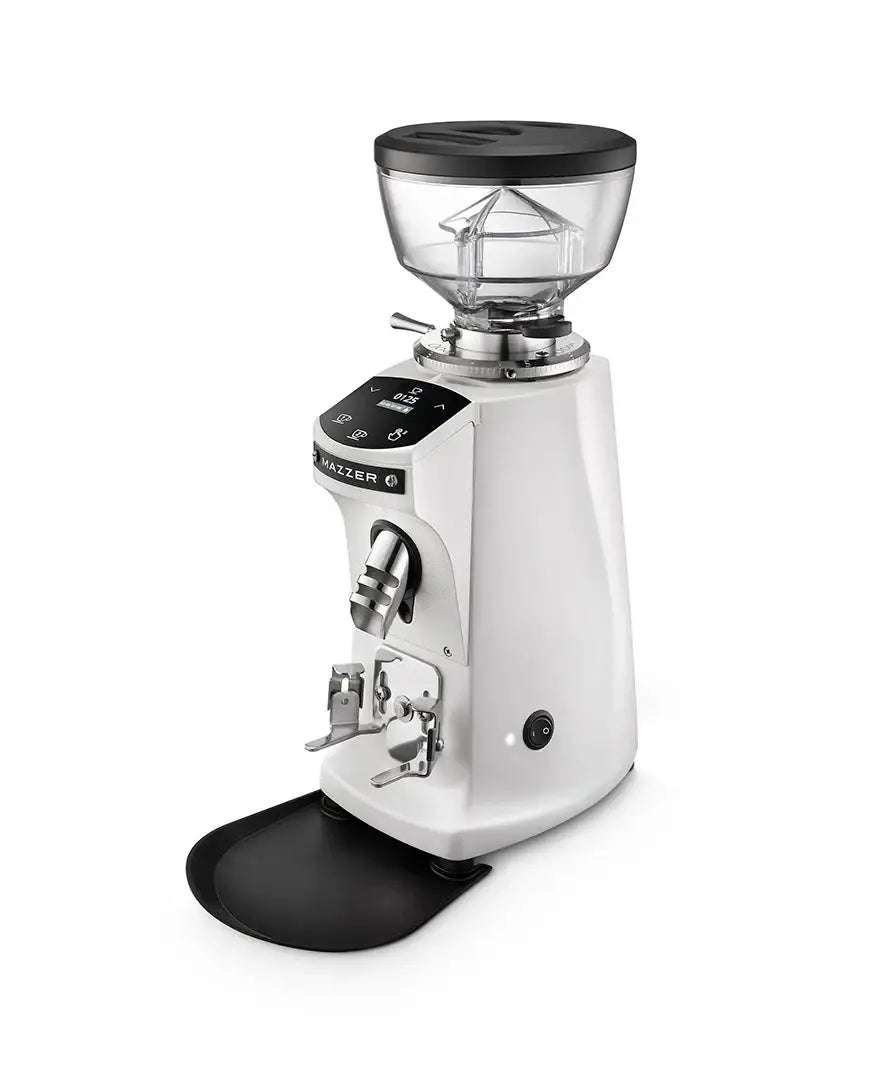
Commercial coffee grinder example

The core principle is simple: grind quality influences extraction, flavour clarity, and repeatability more than most other equipment upgrades. Buyers typically fall into one of three paths — espresso, filter, or hybrid — and each path carries different demands for adjustment range, retention, and bench space.

This guide evaluates burr design, burr material, adjustment resolution, consistency, retention, noise, durability, serviceability, and overall value — with specific attention to Australian ownership conditions.

Key Takeaways

  • Scope: Practical grinder advice for home and commercial use in Australia
  • Priority: Grind consistency drives flavour more than machine upgrades
  • Paths: Espresso, filter, or hybrid workflows demand different designs
  • Evaluation: Burr quality, retention, durability, and service support matter most
  • Value: Strong grinders are more affordable today than ever before

Why the grinder matters more than most coffee gear

Across both home kitchens and cafés, investment in particle control delivers larger flavour gains than replacing brewers or espresso machines.

Coffee grinding consistency example

Grind consistency drives cup clarity

Consistent particle size reduces the mix of fines and boulders, enabling even extraction. The result is improved sweetness, less bitterness, and a cleaner cup across brew styles.

Repeatability matters just as much. A grinder that produces the same particle distribution day after day saves beans, reduces dial-in time, and stabilises flavour.

Why a strong grinder can outperform an expensive espresso machine

Espresso magnifies inconsistency. Fine grinding exposes weaknesses such as channeling, unstable shot times, and flavour swings.

  • Fresh beans still matter, but a weak grinder flattens their potential
  • Upgrading the grinder first often delivers faster gains than replacing machines
  • In today’s market, grinder-first upgrades are more accessible than before

Home vs commercial needs in Australia: choosing the right workflow

Workflow matters more than feature lists. A grinder that fits daily use patterns saves time, money, and frustration over years of ownership.

Home priorities: noise, versatility, and bench space

In Australian apartments and houses, buyers often prioritise low noise, compact size, and flexibility between espresso and filter brewing.

Single-dose designs suit many homes by keeping retention low and simplifying bean changes without mess.

Commercial priorities: speed, durability, and serviceability

Commercial environments require consistent dosing, fast throughput, and robust construction during peak service.

Australian serviceability is critical — local parts availability, authorised technicians, and clear warranty support directly affect downtime and revenue.

Prosumer grinders: the middle ground

High-performance home grinders can rival professional flavour quality but rarely match café throughput. Matching grinder choice to daily volume prevents over- or under-buying.

Types of coffee grinders and who they suit

Electric conical burr grinders

Conical burr grinders are forgiving, relatively quiet, and easy to use. They suit drip, batch brew, and mixed households that value simplicity.

Electric flat burr grinders

Flat burr designs increase particle uniformity and flavour separation. Enthusiasts seeking clarity often prefer flat burrs for filter and light-roast espresso.

Espresso-focused grinders

Dedicated espresso grinders deliver precise fine adjustment and repeatable output under pressure. Many filter-oriented grinders struggle to maintain stability at espresso fineness.

Manual coffee grinders

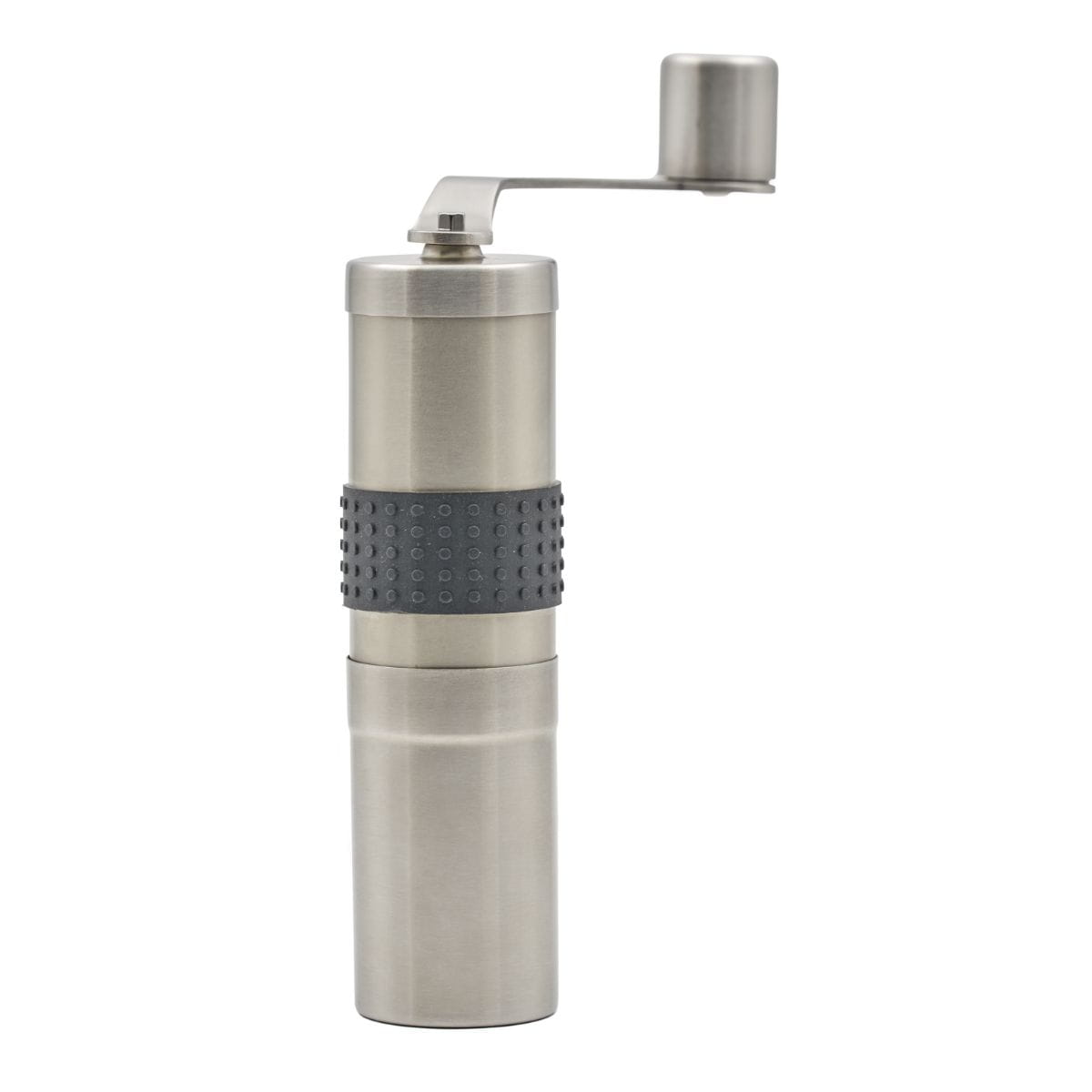
Manual grinders offer excellent burr quality for the price and extremely low retention. They suit travel, filter brewing, and low-volume home use.

Single-dose grinders

Single-dose designs minimise retention and support frequent bean switching. They are increasingly popular among home brewers prioritising freshness.

Commercial grinders

Commercial grinders are built for volume, durability, and easy service. Selection should focus on throughput, burr wear intervals, and staff ergonomics.

Burrs explained: flat vs conical

Particle distribution and flavour impact

Flat burrs tend to produce tighter particle distributions, improving clarity and separation. Conical burrs generate a wider spread, often resulting in fuller body and easier workflow.

Steel vs ceramic burrs

Steel burrs dominate higher-quality grinders due to durability, speed, and long-term consistency. Ceramic burrs resist corrosion but generally dull sooner under frequent use.

Why burr size and alignment matter

Larger burrs reduce heat and increase throughput. Proper alignment is essential — misalignment creates excess fines and inconsistent extraction.

Grind adjustment: what control really means

Espresso dial-in vs filter set-and-forget

Espresso requires fine, repeatable adjustment. Many entry-level grinders lack sufficient resolution at the fine end.

Stepped vs stepless adjustment

Stepped systems simplify repeatability. Stepless systems allow infinite precision. Precision users favour stepless; shared environments often benefit from stepped designs.

Retention, static, and freshness

Why low retention matters

Retention leaves stale grounds inside the grinder, contaminating fresh doses. Low retention improves flavour accuracy and reduces waste.

Anti-static design considerations

Ionisers, chute geometry, and slower burr speeds reduce static, though humidity and bean roast still play a role.

Choosing by brew method

  • Espresso-only: fine control and repeatability
  • Filter-only: clarity and wide grind range
  • Hybrid: low retention and readable adjustment

Commercial grinder considerations

Throughput and peak service

Hopper-based grinders maximise speed. Single-dose suits rotating coffees and low-volume service.

Service and downtime planning

Local support, stocked parts, and trained technicians are essential for Australian cafés.

What to check before buying

  • Burr type, material, and replacement access
  • Adjustment resolution and repeatability
  • Retention, static, and catch cup fit
  • Noise, build quality, and service support

Conclusion

The most reliable path to better coffee is choosing a grinder that matches real-world use — volume, brew style, and workflow.

Prioritise burr quality, usable adjustment, and serviceability over cosmetic features. In today’s market, strong grinders are attainable without premium pricing, especially when buyers focus on fundamentals.

Shortlist by brew method, confirm Australian support, and invest time in proper dial-in rather than constant equipment upgrades.

FAQ

What matters most when choosing a coffee grinder?

Grind consistency is the most important factor. Uniform particle size leads to balanced extraction, clearer flavour, and repeatable results across brewing methods.

Is a grinder upgrade more important than upgrading a coffee machine?

In most cases, yes. A quality grinder improves extraction and flavour more than replacing a brewer or espresso machine, especially at home.

Are manual grinders worth considering?

Manual grinders offer excellent burr quality for the price and very low retention. They suit travel, filter brewing, and low-volume use.

Can one grinder handle both espresso and filter well?

Some modern single-dose grinders manage both reasonably well, but dedicated grinders still offer superior repeatability for each method.

Leave a comment