French Coffee Press Tutorial: Step-by-Step Guide

How to Use a French Coffee Press Step by Step

Learn how to brew perfect French coffee press coffee in under 5 minutes. From the precise grind to that final, satisfying plunge—your best cup starts here.

⏱️ Ready in 5 Minutes

Have a French coffee press still in its box? You're just four minutes away from brewing the richest, most flavorful coffee you can make at home. Forget intimidating cafe equipment—you can make amazing French coffee press coffee with a few items you already own. These instructions work for any brand, including Bodum French coffee press models.

You can brew a perfect cup with just the basics. The "level-up" tools below simply help you achieve consistently great results every time.

The Essentials

  • Your French coffee press
  • Coffee (whole bean is ideal)
  • Kettle or pot for water
  • A spoon
  • Your favorite mug

The 'Level-Up' Tools

  • Burr grinder
  • Digital scale
  • Timer

1Why Your Coffee Grind Size is a Game-Changer

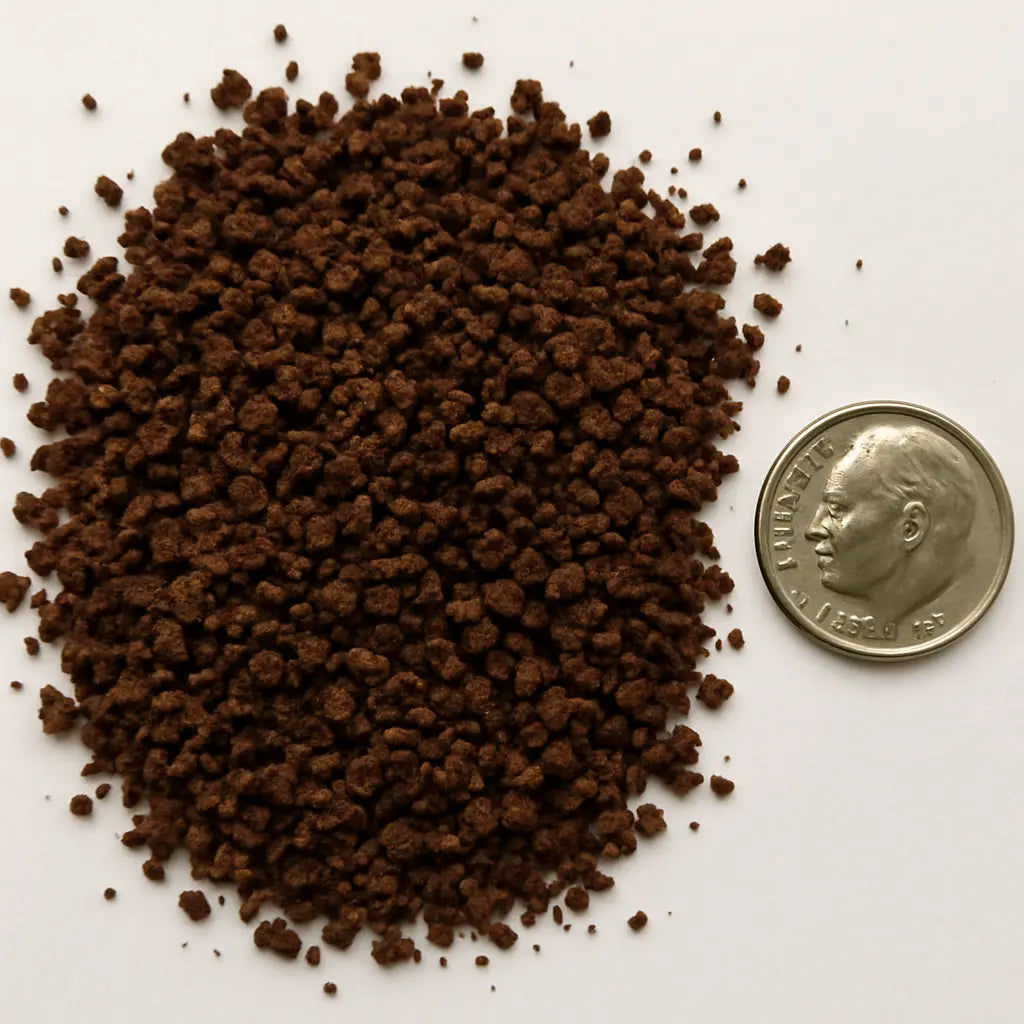
If there's one secret to incredible French coffee press brewing, this is it: coarse grind size. The best grind for French coffee press has particles resembling rough sea salt or breadcrumbs. If you're grinding your own beans, it's one of the chunkiest settings you'll use. This single detail is the difference between a smooth, rich cup and a disappointing one.

Think of the press's metal filter as a strainer with large holes. When you use a coarse grind for French press, the grounds are big enough to get trapped by the filter. If your coffee is ground too fine—like powder for an espresso machine—those tiny particles will slip right through the mesh. This not only creates a layer of unpleasant sediment in your cup but also makes the coffee taste bitter from over-extraction.

Don't have a grinder at home? No problem. When you buy a bag of coffee, simply tell the barista you need it ground for a French coffee press. They'll know exactly what to do.
Coarse coffee grounds texture comparison

2Getting Your Water Temperature Just Right

Just like grind size, the right water temperature for French press coffee can make or break your cup. While it might seem logical to use water straight from a rolling boil, this is a common mistake that actually scorches the delicate coffee grounds. This scalding-hot water creates a harsh, bitter flavor in your French coffee press brew.

Luckily, the perfect fix requires no special thermometer. Simply bring your water to a full boil, take it off the heat, and let it rest for about 60 seconds. This brief pause drops the temperature into the ideal brewing window—between 195°F and 205°F (90–96°C)—ensuring you extract smooth, rich flavor without any bitterness.

3The Perfect French Press Coffee Ratio

The final key to avoiding weak or overpowering coffee is knowing the perfect French coffee press ratio.

2 tablespoons of coffee : 1 cup (8 oz) of water

This easy-to-remember French press coffee to water ratio is your ticket to a consistently balanced and rich brew without any complicated math. For a standard 34 oz French coffee press, that's about 8 level tablespoons of coarse ground coffee.

Of course, think of that ratio as a starting point, not a strict rule. The perfect strength is personal, so feel free to experiment. If your first cup tastes a bit mild, try adding a little more coffee next time. If it's too bold for your liking, simply use a little less. You are in complete control of the final taste.

For those who enjoy precision, the "golden" French coffee press to water ratio is 1:15 (one part coffee to fifteen parts water, measured by weight). But you don't need a scale to get started.

How to Make French Press Coffee: 5-Minute Brew Guide

With the three keys of grind, water temperature, and ratio in hand, you're ready to brew. The French press brewing process is surprisingly quick and simple. From start to finish, you're only about five minutes away from a fantastic cup of coffee.

1

Add Coarse Grounds to Your French Press

For a standard 34 oz French coffee press, start with about 8 level tablespoons of coarse ground coffee. Give the carafe a gentle shake to create a flat, even bed of grounds. This ensures uniform water contact during brewing.

2

Start Timer & Add Hot Water (The Bloom)

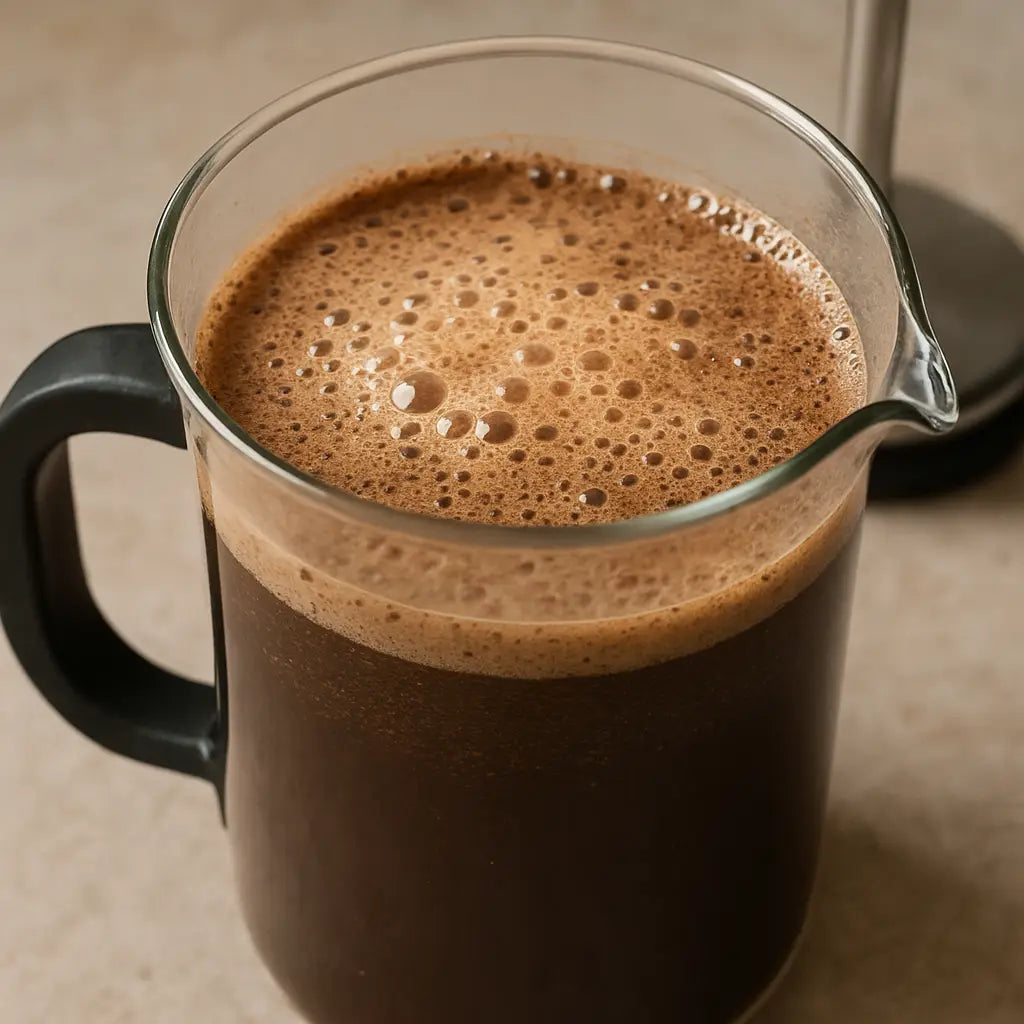
Start a 4-minute timer and immediately pour in just enough hot water to saturate the grounds, then stop. You'll see the coffee expand and bubble for about 30 seconds. This step is called the "bloom", and it helps release CO2 gases for a more even and flavorful French press brew.

3

Add Remaining Water & Stir

After the bloom, pour the rest of your hot water into the press. Give it a gentle stir with a spoon to ensure all the grounds are submerged.

4

Put on the Lid & Steep

Place the lid on top, but don't press the plunger yet. Now you just wait! Letting the coffee steep is just like steeping tea—this is when the magic happens and the water extracts all that rich flavor.

5

Press the Plunger Down Slowly

When your timer hits four minutes, it's time to press. Push the plunger down slowly and steadily—this should take about 15-20 seconds. Rushing this step is the main cause of sediment in French press coffee; a slow, controlled plunge keeps the fine particles settled at the bottom instead of mixing into your drink.

6

Pour Immediately & Enjoy Your French Press Coffee

Don't let the brewed coffee sit in the French press! Pour it all into your mugs right away. Leaving coffee in the press will cause it to continue extracting and become over-extracted and bitter. Transfer any extra coffee to a thermal carafe to keep it hot without over-brewing.

Coffee bloom phase in French press

French Press Coffee Troubleshooting: Common Problems & Solutions

So you've brewed your first cup of French press coffee. How did it taste? If it wasn't quite perfect, don't worry—a few small tweaks are all it takes to dial in the flavor. Most French coffee press issues come down to just three things: brew time, grind size, or coffee-to-water ratio.

Q: Why is my French coffee press coffee bitter?

Bitterness in French press coffee is a sign of over-extraction. This happens when you steep the coffee for too long, use water that's too hot (above 205°F), or use a grind that's too fine.

The Fix

Steep for exactly 4 minutes, let your water cool for 60 seconds after boiling to reach 195-205°F, and use a coarse grind.

Q: Why does my French press coffee taste weak or watery?

Weak French press coffee usually means you need to increase your coffee-to-water ratio. You may not be using enough coffee grounds for the amount of water in your press.

The Fix

Add one more level tablespoon of coarse grounds on your next brew. Remember the golden ratio: 2 tablespoons per 8 oz of water.

Q: Why is there sludge at the bottom of my cup?

This is the classic challenge of avoiding sediment in French coffee press brewing. It means your grind is too fine and slipping through the filter, or you plunged too quickly.

The Fix

Use a coarser grind (like rough breadcrumbs) and press the plunger down slowly and steadily.

Clean Your French Coffee Press in 60 Seconds

The best part of a French coffee press is the coffee; the least fun part is the cleanup. But don't worry—it takes less than a minute. Here's the most important rule: never wash coffee grounds down the sink, as they can easily cause clogs.

1

Dump the Grounds

Add a splash of water to the press, swirl it to collect the used grounds, and pour the slurry into your trash can or compost pile.

2

Rinse the Filter

Quickly unscrew the plunger's filter screen and rinse all the parts under warm water to clear any trapped coffee.

3

Wash and Dry

Give the carafe and plunger a quick wash with regular dish soap and water, rinse thoroughly, and you're done.

Beyond the Basics: French Press Coffee FAQs

Can you make cold brew in a French coffee press? Absolutely. The cold brew French press method is nearly identical to making hot coffee, but you'll use cold or room-temperature water and let the grounds steep for 12 to 18 hours before plunging. The French coffee press is the perfect all-in-one tool to both brew and filter your cold brew concentrate.

This method of soaking the grounds is called "immersion brewing," and it's what gives French coffee press brewing its signature rich, full-bodied character. But how does French coffee press vs pour-over stack up? A pour-over is a "filtration" method, where water passes through the grounds, much like a standard drip coffee maker. This generally produces a cleaner, lighter-bodied cup by trapping more of the oils and fine particles in a paper filter.

Ultimately, neither brewing method is better—they're just different. The key benefits of French press brewing are its straightforward process and the deep, robust flavor it creates. By mastering your French coffee press, you've not only learned how to make a fantastic cup of hot coffee, but you've also unlocked a simple, versatile tool for exploring the wider world of coffee brewing.

Brew Your Best Cup Tomorrow Morning

That elegant glass carafe is no longer a mystery. You now hold the entire French coffee press tutorial in three simple keys: a coarse grind, water just off the boil, and a four-minute steep. This is the blueprint for a consistently rich and full-bodied cup, free of the bitterness or sludge you may have feared.

You have the knowledge; all that's left is to brew. Put this easy coffee guide to the test tomorrow morning. You'll be surprised how simple it is to create a café-quality cup right in your own kitchen, elevating your daily coffee ritual.

Leave a comment