Coffee Guide · Di Pacci Coffee Co. · Updated June 2026
How to Choose the Best Coffee Beans in Australia
✍️ By Di Pacci Expert Team · 📅 Updated June 2026 · ⏱ ~8 min read · ☕ 6 Blends — All Australian Roasted
Everything you need to know before buying coffee beans — origin, roast level, freshness, grinding, storage, and Di Pacci's full range of premium espresso blends to get you started.
6Premium Blends
100%Arabica Sourced
FreshRoasted in Australia
2PMSame-Day Dispatch
Choosing Great Coffee Beans — Where to Start
For coffee lovers, the bean is everything. The finest espresso machine in the world cannot produce a great cup from poor-quality, stale, or badly matched beans. Choosing the right coffee beans is the single highest-impact decision in your entire home coffee setup — and it's also the easiest to get right once you know what to look for.
At Di Pacci, we've been sourcing, roasting, and selling specialty coffee beans in Australia since 2010. This guide covers every factor worth considering — from origin and roast level through to grinding, freshness, and storage — so you can make a confident, informed decision every time you buy.
The fastest path to better coffee: Try Di Pacci's sample pack — 4 × 250g of different blends delivered fresh. It's the best way to discover which flavour profile suits you before committing to 1kg bags.
Step 1 — Know Your Taste Preferences
Before comparing origins and roast levels, the most important question is simple: what do you actually enjoy drinking? Coffee flavour spans an enormous range — from bright, acidic, and floral to deep, bold, and chocolatey. Neither end of that spectrum is "better"; it's entirely personal.
Light & Bright
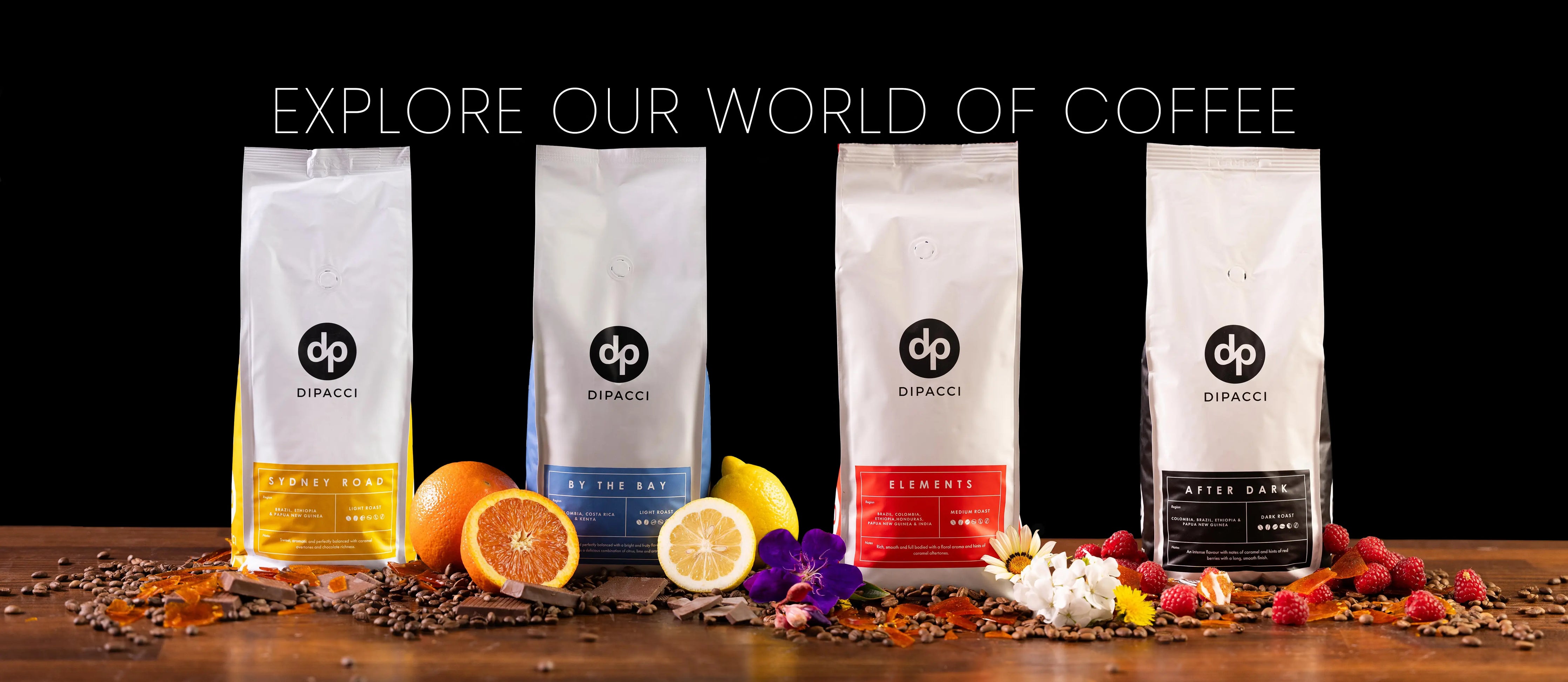
Floral, citrus, berry notes. High acidity, lighter body. Great for filter coffee and pour over. Ethiopian and Kenyan origins. Try: Sydney Road Blend.
Balanced & Sweet
Caramel, chocolate, nutty notes. Medium body, moderate acidity. Versatile — works beautifully as espresso and with milk. Try: Elements Blend.
Bold & Deep
Dark chocolate, smoky, rich notes. Full body, low acidity. Perfect for strong espresso and milk-based drinks like flat whites and lattes. Try: Afterdark Blend.
If you're new to specialty coffee, start with a medium roast blend. It's the most forgiving, easiest to dial in, and gives you the best platform to develop your palate before exploring lighter or darker roasts.
Step 2 — Understand Bean Origin
Where a coffee bean is grown has a profound effect on how it tastes. Altitude, soil composition, rainfall, and processing methods all leave their signature in the cup. Understanding the major growing regions helps you predict flavour before you even open the bag.

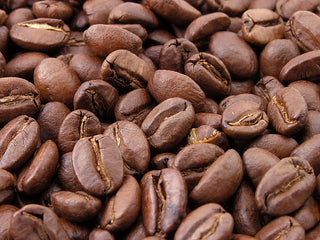
Coffee growing regions — altitude, soil and climate shape every flavour note in your cup. Photo: Pexels
🌍 Africa
Ethiopia: Floral, bergamot, blueberry — complex and vibrant. Kenya: Bright acidity, winey fruit, blackcurrant. Tanzania: Smooth sweetness, chocolate undertones. Africa produces the world's most flavourful single origins.
🌎 South America
Colombia: Balanced, mild sweetness, caramel, red fruit. Brazil: Nutty, chocolatey, low acidity — ideal espresso base. Peru: Medium body, gentle acidity, floral hints. South American beans anchor most of the world's best espresso blends.
🌏 Asia-Pacific
Papua New Guinea: Earthy, fruity, rich body. India: Spiced, woody, low acidity. Indonesia: Dark, syrupy, full body. Asia-Pacific origins add depth, weight, and complexity to blends — they are the backbone of dark espresso roasts.
Di Pacci's approach: Our blends draw from multiple origins — typically Brazil or Colombia as the base, Ethiopia or Papua New Guinea for complexity, and India for depth. This multi-origin approach produces more balanced, consistent flavour than single-origin espresso.
Arabica vs Robusta — What's the Difference?
The two commercially important coffee species behave very differently in the cup and the portafilter. Understanding them helps you read blend descriptions with confidence.
Arabica — The Specialty Choice
Lower caffeine. Higher sweetness, acidity, and aromatic complexity. Notes of fruit, chocolate, caramel, and flowers. More difficult to grow — higher altitudes, more rainfall. Accounts for around 60% of global production. All Di Pacci blends use 100% Arabica beans.
Robusta — The Caffeine Punch
Higher caffeine (nearly double Arabica). More bitter, earthy, and less aromatic. Produces a thick, persistent crema — sometimes added to espresso blends for crema and caffeine. Easier to grow at lower altitudes. Common in commercial blends and Italian-style espresso.
For home specialty espresso, always choose 100% Arabica beans. The flavour complexity, sweetness, and aromatic depth of Arabica is what makes specialty coffee what it is. Robusta is used for volume and caffeine, not for quality.
Roast Profile — Light, Medium or Dark?
Roast level is the variable you will adjust most often as your palate develops. It is not about "stronger" or "weaker" — both light and dark roasts can produce intense espresso. Roast level determines which flavours emerge and which are suppressed.
| Roast |
Colour |
Flavour |
Acidity |
Body |
Best For |
| Light |
Light brown, no oil |
Floral, citrus, berry, bright |
High |
Light |
Filter, pour over, single origin |
| Medium |
Brown, slight sheen |
Caramel, chocolate, nuts, balanced |
Medium |
Medium |
Espresso, flat white, latte |
| Dark |
Dark brown/black, oily |
Dark chocolate, smoky, bold, earthy |
Low |
Full |
Strong espresso, long blacks, macchiato |
For home espresso: Medium to medium-dark roasts are the most popular choice. They produce rich crema, balance well with milk, and are the easiest to dial in. Light roasts produce exceptional espresso but require precise grind calibration — best approached once you're comfortable with your setup.
Always buy beans roasted within the last 2–4 weeks. Fresh beans retain their CO2, which produces the crema and aromatic complexity that defines great espresso. Beans roasted more than 6 weeks ago will produce flat, dull coffee regardless of quality.
Grinding — The Most Important Variable
Always buy whole beans and grind them fresh. Pre-ground coffee loses 60–70% of its aromatic compounds within 15 minutes of grinding. A quality burr grinder is as important as — arguably more important than — your espresso machine.
✅ Burr Grinder — Always Use This
Crushes beans between two abrasive burrs for a uniform, consistent particle size. Essential for good espresso. Flat or conical burrs both work well. Never use a blade grinder for espresso.
❌ Blade Grinder — Avoid for Espresso
Chops beans randomly with spinning blades. Produces an uneven mix of fine powder and large chunks — causes simultaneous over and under-extraction. Results in bitter, sour, unbalanced coffee.
Grind Size by Brew Method
| Brew Method |
Grind Size |
Texture Reference |
Sour = ? |
Bitter = ? |
| Espresso |
Fine |
Table salt |
Grind finer |
Grind coarser |
| Moka Pot |
Medium-Fine |
Fine sand |
Grind finer |
Grind coarser |
| Pour Over / V60 |
Medium-Coarse |
Coarse sand |
Grind finer |
Grind coarser |
| French Press |
Coarse |
Sea salt |
Grind finer |
Grind coarser |
| Cold Brew |
Extra Coarse |
Raw sugar |
Grind finer |
Steep less |
Freshness & Storage — Protecting Your Coffee
Freshness is not a marketing claim — it is a measurable, critical factor in coffee quality. Roasted coffee beans begin degassing CO2 immediately after roasting, and begin oxidising shortly after. Within 6 weeks, most of the aromatic compounds that make specialty coffee worth buying have diminished significantly.
How to Store Coffee Beans Correctly
Airtight Container
Store in an airtight container or sealed bag. Oxygen is the primary enemy — it causes oxidation which rapidly degrades flavour, aroma, and freshness.
Away from Heat & Light
Keep away from ovens, stovetops, direct sunlight, and windowsills. UV rays and heat accelerate oil evaporation and degrade aromatic compounds. A dark cupboard at room temperature is ideal.
Avoid Moisture
Never store near sinks, dishwashers, or humidifiers. Moisture causes oxidation and mould. Never freeze beans you use daily — condensation when thawing damages flavour significantly.
Ideal storage conditions: Airtight container, room temperature 20–25°C, dark location, away from moisture. Use within 2–4 weeks of opening. Buy whole beans and grind fresh for every session.
Our Recommendation — Start Here: Try the Di Pacci Sample Pack (4 × 250g)
Not sure which blend is right for you? The sample pack is the best way to discover your flavour preference before committing to 1kg bags. Four freshly roasted blends delivered to your door — try them all and find your favourite.
Frequently Asked Questions — Choosing Coffee Beans
What is the best way to store coffee beans?
Store coffee beans in an airtight container away from heat, direct sunlight, and moisture. Keep at room temperature between 20–25°C. Avoid storing near ovens, windowsills, or sinks. Do not freeze beans you use daily — condensation when thawing damages flavour. Use whole beans within 2–4 weeks of the roast date for the best flavour. Grind only what you need for each session.
What is the difference between light, medium, and dark roast coffee beans?
Light roast: Light brown, no surface oil. Bright acidity, floral and citrus notes, lighter body. Best for filter coffee and pour over. Medium roast: Brown with slight sheen. Balanced body, caramel and chocolate notes, moderate acidity. Best for espresso and all milk-based drinks. Dark roast: Dark brown to black, oily surface. Bold, smoky, deep chocolate flavour, low acidity, full body. Best for strong espresso and long blacks. For home espresso beginners, start with a medium roast.
Are there any health benefits associated with drinking coffee?
Yes. Regular moderate coffee consumption (2–4 cups per day) provides antioxidants from polyphenols, may reduce inflammation, and has been associated with reduced risk of type 2 diabetes, cardiovascular disease, and age-related cognitive decline. Caffeine improves alertness, focus, and physical performance. Coffee also contains chlorogenic acid, which helps manage blood sugar levels after meals. As with all dietary choices, moderation is key.
What is the most cost-effective way to buy coffee beans in Australia?
Buy whole beans in 1kg bags rather than pre-ground or smaller quantities. Whole beans stay fresh significantly longer than ground coffee, giving you better value per gram. Di Pacci's 1kg blends are excellent value — and if you're not sure which blend to start with, the 4 × 250g sample pack is the most cost-effective way to discover your preferred flavour profile before committing to 1kg. A subscription also ensures you always have fresh beans without paying for express restocking.
Should I use a burr grinder or a blade grinder for espresso?
Always use a burr grinder for espresso. Burr grinders crush beans between two abrasive surfaces to produce a uniform, consistent particle size — essential for good espresso extraction. Blade grinders chop beans randomly with spinning blades, producing an uneven mix of fine powder and large chunks that causes simultaneous over-extraction and under-extraction, leading to bitter, sour, or flat coffee. A quality burr grinder is as important as your espresso machine — never underinvest in the grinder.
Ready to Upgrade Your Coffee? Shop Premium Beans Today
Six premium espresso blends, freshly roasted and dispatched same day before 2PM. Free Shipping — Orders over $200. Afterpay and Zip available.