How to Become a Barista in Sydney (2026 Beginner Guide)

May 26, 2026


How to Become a Barista in Sydney (2026 Beginner Guide)

📅 Published: May 2026  |  ⏱ 12 min read  |  ✍️ Di Pacci Coffee Company

Want to become a barista in Sydney? You're joining one of Australia's most vibrant coffee cultures. Sydney's café scene is booming — with over 2,000 cafés across the city, from hole-in-the-wall espresso bars in Surry Hills to beachside specialty coffee in Bondi, there's never been a better time to start a barista career.

But where do you actually start? Do you need formal training or certification? What skills do employers look for? And how much can you expect to earn?

This 2026 beginner guide walks you through everything you need to know to become a barista in Sydney — from training pathways and certifications to job hunting strategies, salary expectations, and long-term career advancement. Whether you're a complete beginner, career changer, or international student looking for hospitality work, this guide has you covered.

💡 Quick Answer: Yes, you can become a barista in Sydney without prior experience. Many cafés hire beginners, especially if you complete a barista training course and understand basic coffee-making skills. Hands-on training dramatically increases your chances of getting hired faster.

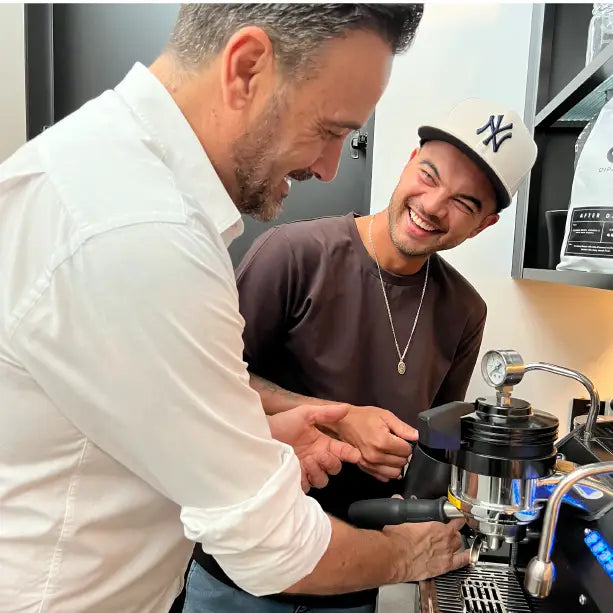
Di Pacci Barista Training Sydney - Hands-on espresso training

What Does a Barista Do? (Role Overview)

Before diving into how to become one, let's clarify what baristas actually do day-to-day in Sydney cafés:

Core Barista Responsibilities

  • Espresso Extraction: Operating commercial espresso machines to pull perfect shots — controlling dose, yield, and brew time for consistent extraction
  • Milk Steaming & Texturing: Using the steam wand to create silky microfoam for cappuccinos, lattes, and flat whites
  • Beverage Preparation: Making espresso-based drinks (flat whites, lattes, cappuccinos, macchiatos, Americanos) plus filter coffee, batch brew, and cold brew
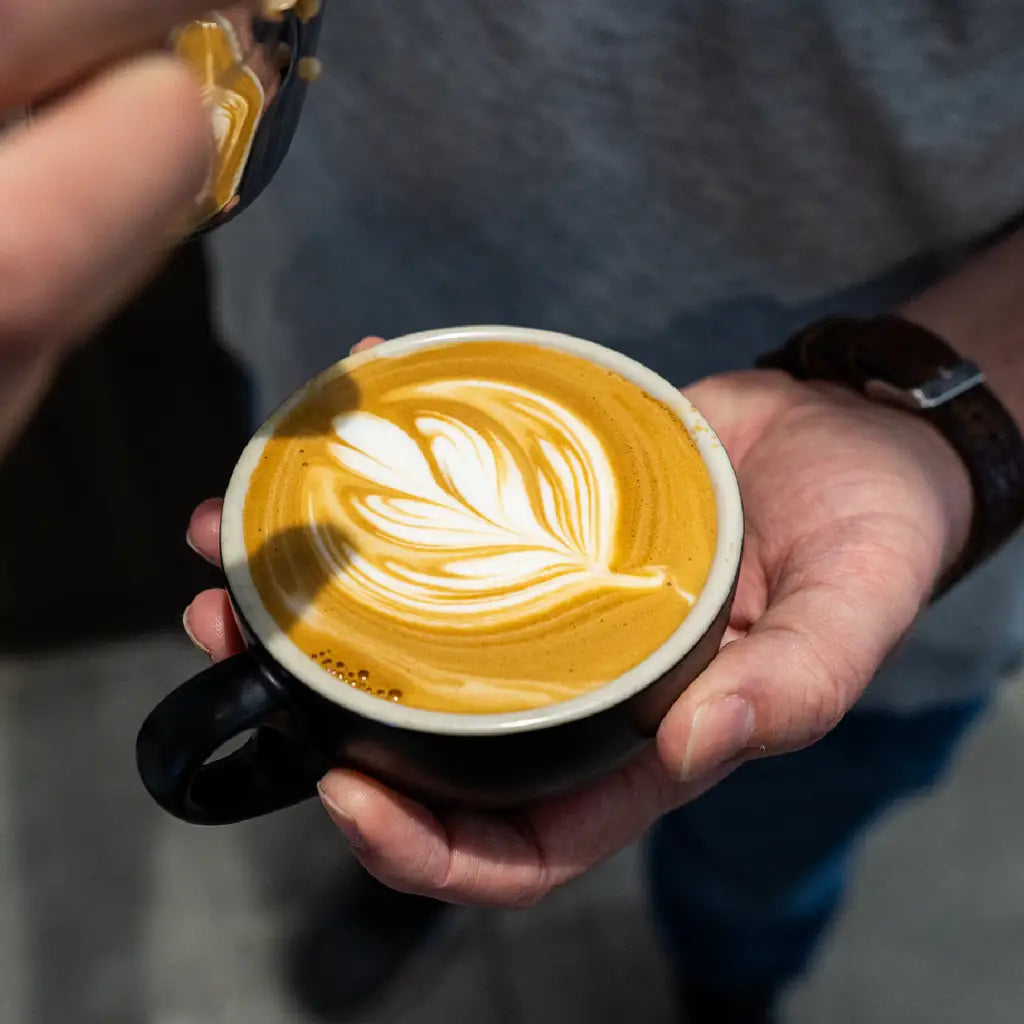
  • Latte Art: Pouring milk to create patterns (hearts, rosettas, tulips) — not required everywhere but highly valued in specialty cafés
  • Customer Service: Taking orders, processing payments, answering coffee questions, remembering regulars' preferences, creating positive experiences
  • Coffee Machine Maintenance: Daily cleaning routines (backflushing, group head cleaning, steam wand purging), grinder calibration, equipment troubleshooting
  • Café Operations: Opening/closing procedures, stock management, food handling, workspace hygiene, teamwork during rush periods

A barista isn't just someone who "makes coffee" — you're a craftsperson managing precision equipment, a customer service professional creating experiences, and part of a team keeping a small business running smoothly. The best baristas balance technical coffee skills with speed, efficiency, and genuine hospitality.

Do You Need Experience to Become a Barista in Sydney?

No — many Sydney cafés actively hire beginners. In fact, some café owners prefer hiring complete beginners because they can train you their way without having to undo bad habits from previous workplaces.

However, "no experience required" doesn't mean "no preparation required." Here's what actually matters:

What Cafés Look For in Beginner Baristas

  • Willingness to learn: Positive attitude, coachability, and eagerness to improve matter more than existing skills
  • Customer service mindset: Friendly personality, good communication, ability to stay calm under pressure
  • Some training or practice: Even a 3.5-hour barista course shows you're serious and understand the basics
  • Reliable availability: Can you work early mornings (5-6am starts)? Weekends? This matters more than coffee skills for entry roles
  • Physical stamina: Café work means 4-8 hours on your feet, fast-paced movement, repetitive tasks

Reality check: Two candidates apply for the same entry-level role. Candidate A has zero training but seems nice. Candidate B completed a barista course, practiced at home, and can already pull a decent shot. Who gets hired? Candidate B — every single time.

Training doesn't just teach you coffee skills. It signals to employers that you're committed, you've invested in yourself, and you won't need weeks of hand-holding to become productive. In Sydney's competitive café job market, training is the difference between getting hired in 2 weeks vs 2 months.

Should You Take a Barista Course in Sydney?

Yes — taking a barista course in Sydney significantly improves your job prospects. Here's why hands-on training matters:

Benefits of Barista Training Courses

  • Faster hiring: Trained baristas get hired 2-3x faster than untrained candidates in Sydney's competitive job market
  • Confidence: Walking into a trial shift knowing you can operate the equipment = less stress, better performance
  • Certificate proof: A training certificate on your resume proves you're serious about coffee work
  • Skills employers want: Espresso extraction, milk texturing, grinder operation, machine cleaning — all taught in one 3.5-hour session
  • Commercial equipment experience: Train on professional café machines and grinders — the same equipment you'll use in real cafés. Skills transfer directly from day one.
  • Network access: Many training academies have café industry connections and can help with job placement
  • Avoid costly mistakes: Learn on training equipment, not during your first paying job when mistakes cost the business money
  • Immediate feedback: Expert trainers spot and correct technique issues in real time — developing muscle memory for proper extraction, tamping, and milk texturing

Cost vs benefit: A barista course costs around the same as one weekend shift of earnings. If it helps you get hired 2-4 weeks faster, it pays for itself immediately.

👉 Explore Di Pacci's barista training options: Group Class (fortnightly Tuesday) | 1-on-1 Training (book anytime)

Do You Need Barista Certification in Sydney?

Let's address the certification question: No, you don't legally need barista certification to work as a barista in Sydney. Unlike some professions, there's no mandatory licensing requirement for making coffee.

However — and this is important — practical barista training gives you a massive competitive advantage when job hunting. Here's why:

Why Certification Helps (Even If Not Required)

  • Cafés want employees who can start immediately: Training costs café owners time and money. If you walk in with hands-on barista experience, you're infinitely more attractive than someone who's never touched an espresso machine.
  • Sydney's café scene is competitive: For every barista job posted, cafés receive 20-50+ applications. Training and certification help you stand out from the crowd.
  • Premium cafés require certification: Luxury cafés, specialty coffee shops, and corporate environments often list SITHFAB025 (nationally recognised barista certification) as a job requirement.
  • You'll actually know what you're doing: Walking into a busy café during morning rush with zero training is a recipe for disaster. Training builds confidence and competence before you're under pressure.
  • Certification proves commitment: A certificate signals to employers that you're serious about coffee, not just looking for temporary work.

📊 Industry Data: According to recent Sydney hospitality hiring surveys, baristas with formal training earn up to 30% more than untrained candidates and are 3x more likely to be hired by luxury cafés. Training is an investment that pays off quickly.

Two Training Pathways: Accredited vs Unaccredited

Sydney barista courses fall into two categories: nationally accredited and unaccredited practical training. Both have their place depending on your goals.

Nationally Accredited Barista Certification (SITHFAB025)

SITHFAB025 — Prepare and Serve Espresso Coffee is the official nationally recognised barista qualification in Australia. It's part of the hospitality training framework and is recognised across all states and territories.

When you need accredited certification:

  • Premium specialty coffee cafés that require formal credentials
  • Corporate café environments (hotels, airports, corporate offices)
  • Barista supervisor or management roles
  • International students needing recognised Australian qualifications
  • Career changers wanting formal credentials on their resume

Course structure: SITHFAB025 typically combines online theory modules with in-person practical assessments. You'll learn espresso extraction, milk texturing, beverage preparation, equipment maintenance, and food safety basics. Upon completion, you receive a nationally recognised Statement of Attainment.

Time commitment: 1-2 weeks (online self-paced theory + 1 day in-person practical assessment)

Unaccredited Practical Barista Training

Unaccredited courses focus purely on hands-on practical skills — no theory exams, no assessments, just learning by doing. These courses teach you everything you need to know to work in a café, but don't result in a nationally recognised qualification.

When unaccredited training is perfect:

  • Complete beginners wanting to learn café skills quickly
  • Home baristas upgrading their espresso skills
  • Casual café work where formal certification isn't required
  • Budget-conscious students (unaccredited courses cost less)
  • Anyone who learns better through hands-on practice than online theory

Course structure: Intensive 3.5-hour hands-on sessions at training academies using commercial espresso machines and grinders. You'll pull shots, texture milk, dial in grinders, and make all major espresso drinks under trainer supervision.

Time commitment: 3.5 hours (single session)

Di Pacci's Take: For most beginners entering Sydney's café scene, start with unaccredited hands-on training to build confidence and skills quickly. If you discover you love coffee and want to pursue it seriously, add SITHFAB025 certification later for career progression. Think of unaccredited as "learn to work," accredited as "prove you can work."

What You'll Learn in Barista Training

Whether you choose accredited or unaccredited training, every quality barista course in Sydney covers these core skills:

1. Espresso Extraction Fundamentals

  • Understanding dose, yield, and brew time (the extraction triangle)
  • Weighing coffee for consistent dosing (16-18g for double shots)
  • Portafilter dosing, distribution, and leveling techniques
  • Tamping with correct pressure and consistency
  • Reading espresso shots visually — crema, flow rate, color
  • Identifying under-extraction (sour), over-extraction (bitter), and channeling

2. Milk Texturing & Steaming

  • Steam wand positioning and angle
  • Two-phase milk texturing: stretching (incorporating air) and heating
  • Creating silky microfoam for flat whites, lattes, and cappuccinos
  • Temperature control — hitting 60-65°C without scalding milk
  • Pouring technique and basic latte art (heart, rosetta foundations)
  • Troubleshooting common milk texturing mistakes

Barista training milk texturing and steaming - Di Pacci Sydney

3. Grinder Operation & Dialling In

  • Understanding how grind size affects extraction speed and flavor
  • Using commercial grinder adjustment dials (stepless vs stepped)
  • Making grind adjustments based on shot feedback
  • Purging grinders after grind changes
  • Dosing consistency and grinder calibration

4. Coffee Machine Operation & Maintenance

  • Operating commercial espresso machines safely
  • Daily cleaning routines (backflushing, group head cleaning, steam wand purging)
  • Portafilter and basket maintenance
  • Drip tray emptying and cleaning protocols
  • When to call a technician vs DIY maintenance

5. Beverage Preparation

  • Espresso (single and double shots)
  • Flat white — Australia's signature coffee
  • Latte — milk-forward espresso drink
  • Cappuccino — traditional foamed milk
  • Macchiato — espresso marked with milk
  • Americano / Long black — diluted espresso
  • Understanding milk ratios and temperatures for each drink style

6. Coffee Knowledge

  • Coffee origins, processing methods, and roast profiles
  • Arabica vs robusta species
  • Bean freshness, storage, and handling
  • How to taste and describe coffee (acidity, sweetness, body, aftertaste)

7. Workplace Skills

  • Working safely in busy café environments
  • Speed and efficiency under pressure
  • Customer service and communication
  • Cash handling and POS systems (Point of Sale)
  • Hygiene and food safety basics

Where to Get Barista Training in Sydney

Sydney has dozens of barista training providers. Here's how to choose:

What to Look For in Quality Training

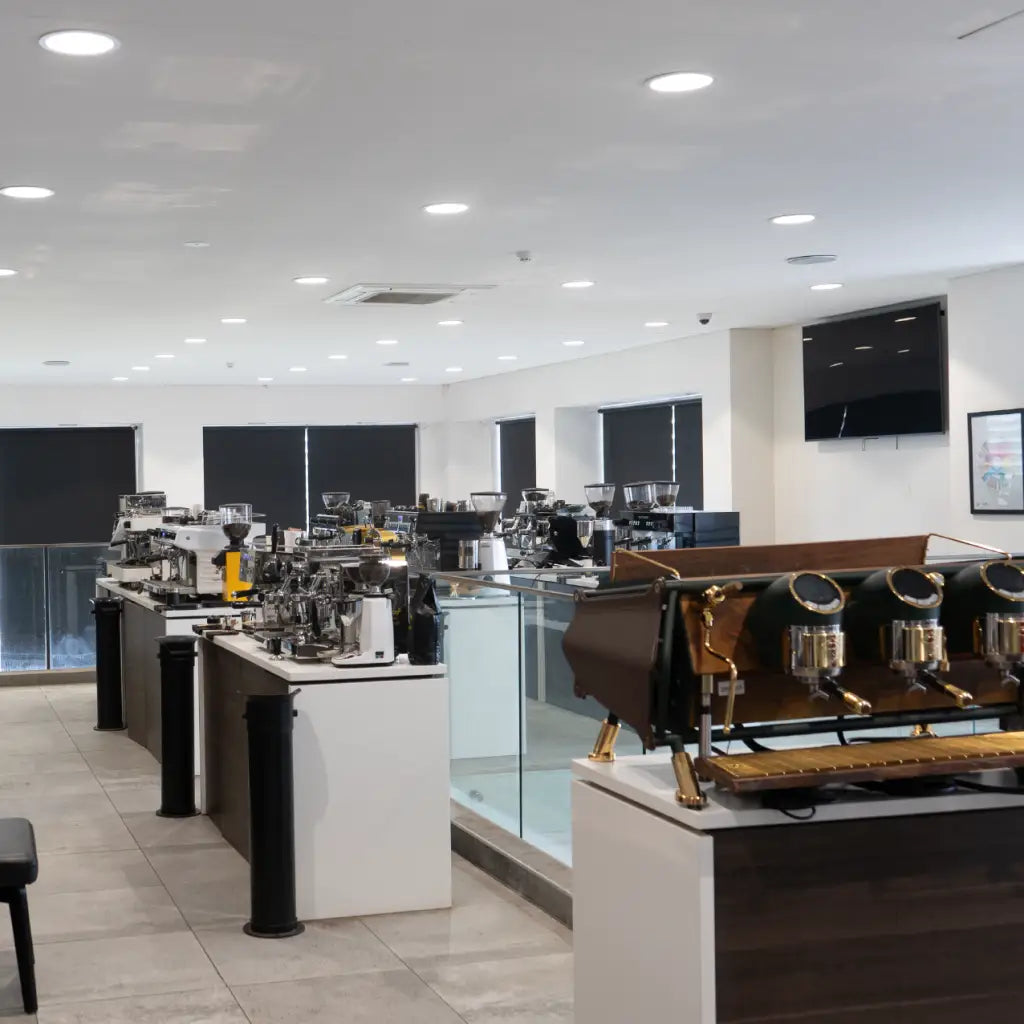
  • Commercial equipment: You should train on professional espresso machines and grinders — the same equipment used in real cafés. Domestic home machines don't cut it.
  • Hands-on practice time: Beware of courses claiming to teach everything in under 2 hours. Quality training requires at least 3-4 hours of actual hands-on practice.
  • Experienced trainers: Your instructor should be an experienced barista with real café industry background, not just someone reading from a script.
  • Small class sizes: Maximum 10 students per session ensures everyone gets adequate machine time and individual feedback.
  • Central location: Easy access via public transport means less friction on training day.
  • Post-course support: Do they offer follow-up advice, job search assistance, or practice sessions after the course?

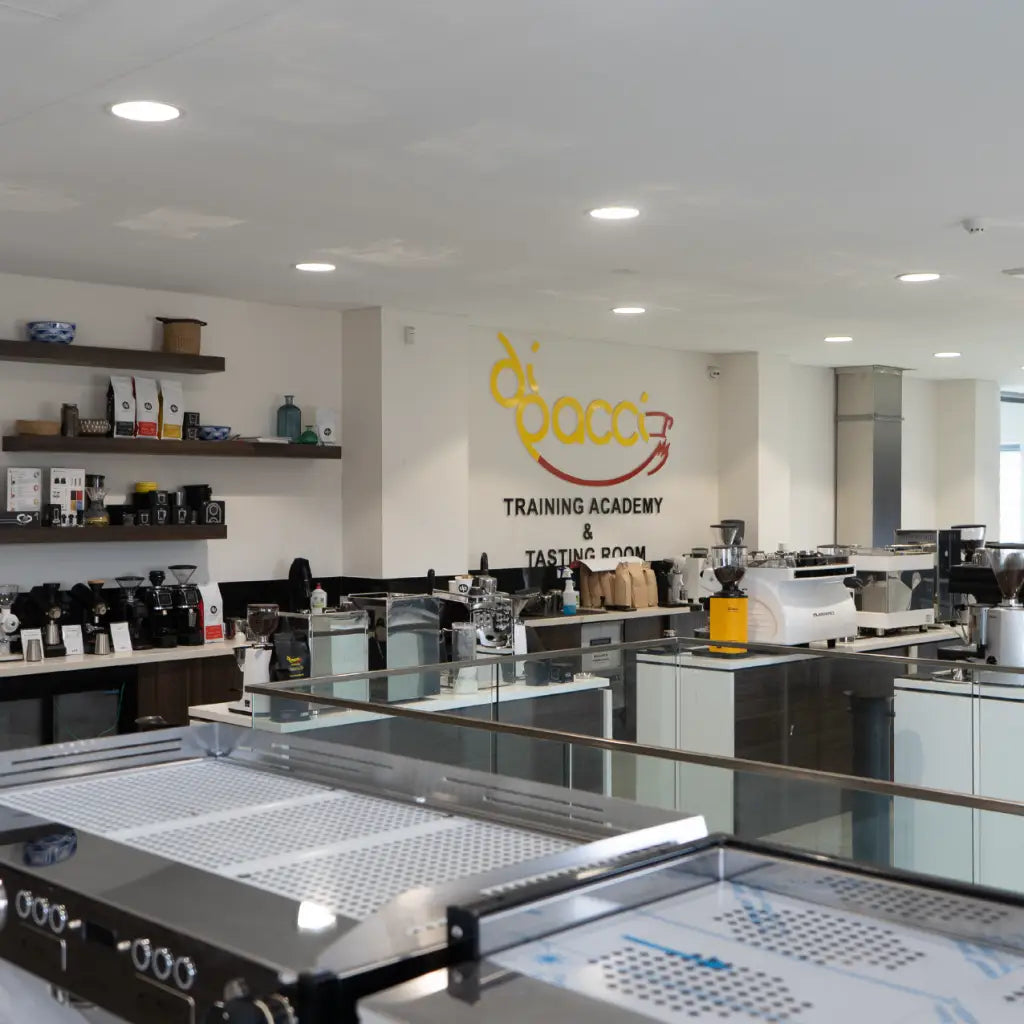
Di Pacci Coffee Training Academy (Sydney)

Di Pacci runs barista training at their Roselands academy in Sydney with commercial-grade equipment, experienced trainers, and hands-on methodology. Options include:

  • Group Class (Unaccredited): 3.5-hour hands-on session, fortnightly Tuesday, small groups (6-10 students), commercial equipment, certificate on completion. Perfect for social learners and budget-conscious students.
  • 1-on-1 Training (Unaccredited): 3.5-hour personalised session, book any day, individual attention, tailored to your pace. Also available as 2-on-1 training for couples or friends who want to learn together.
  • SITHFAB025 (Accredited): Nationally recognised certification combining online theory with in-person practical assessment. Required for some premium cafés and management roles.

All training follows the proven demo → practice → execute methodology. You don't just watch — you actually pull shots, texture milk, and make drinks on commercial machines.

Latte art training Sydney - Di Pacci barista course

Ready to Start Your Barista Training?

Di Pacci's Sydney training academy offers hands-on barista courses for complete beginners. Learn on commercial equipment from experienced trainers.

Group Class ($99) 1-on-1 Training Contact Us

How to Find Your First Barista Job in Sydney

You've completed training — now it's time to land your first café gig. Here's how Sydney baristas actually get hired:

1. Pound the Pavement (Still Works in 2026)

Despite the digital age, walking into cafés with your resume is still the most effective way to get barista jobs in Sydney. Why? Because café owners want to see:

  • Your presentation and personality (you'll be facing customers daily)
  • Whether you can handle talking to strangers confidently
  • Your genuine interest in their specific café
  • That you took initiative rather than clicking "apply" from your couch

Best times to visit: Tuesday to Thursday, 2-4pm (post-lunch, pre-dinner rush). Avoid weekends and peak morning/lunch hours when staff are slammed.

What to bring: 10-15 printed resumes, dressed smart-casual (clean, presentable — you don't need a suit, but no gym clothes), and a genuine smile.

What to say: "Hi, I'm [name], I recently completed barista training and I'm looking for my first café role. Do you have any positions available or could I leave my resume with you?" Keep it simple, friendly, and brief.

2. Target the Right Sydney Neighborhoods

Different Sydney areas have different café vibes and hiring patterns:

  • Surry Hills & Redfern: Specialty coffee hub — competitive but great for learning from top baristas
  • Newtown & Enmore: Busy student areas — higher turnover, more entry-level opportunities
  • Bondi & Coogee: Beachside cafés — tourist-heavy, often hire for summer rush
  • CBD & Barangaroo: Corporate cafés — fast-paced weekday service, quieter weekends
  • Manly & Northern Beaches: Laid-back café culture, lifestyle focus
  • Inner West (Marrickville, Dulwich Hill): Growing café scene, mix of specialty and neighborhood cafés

Strategy: Start with 2-3 neighborhoods you can access easily via public transport. Map out 20-30 cafés in each area and systematically visit them over 3-4 days.

3. Use Online Job Boards (But Don't Rely on Them Exclusively)

Check these platforms daily:

  • Seek.com.au: Australia's largest job board — filter by "Barista" and "Sydney"
  • Indeed.com.au: Aggregates listings from multiple sources
  • Gumtree Sydney: Casual and part-time café work
  • Sydney Barista Jobs (Facebook group): Active community with daily postings
  • Hospitality Jobs Sydney (Facebook group): Broader hospitality opportunities

Reality check: Online job posts receive 50-200+ applications within 24 hours. Walking in physically gives you a massive edge over digital-only applicants.

4. Start with Trial Shifts

Many Sydney cafés hire via trial shifts — unpaid 2-4 hour sessions where you work alongside staff to prove your skills and culture fit. This is standard practice in the industry.

What to expect: You'll likely shadow a barista, help with basic tasks (grinding, dosing, cleaning), and possibly make a few drinks under supervision. The café is assessing your attitude, willingness to learn, and how you handle pressure.

Trial shift etiquette: Arrive 10 minutes early, wear closed-toe shoes (safety requirement), ask questions, stay positive even if you make mistakes, and thank the team afterward.

5. Be Strategic About Your First Café

Your first barista job doesn't need to be at Sydney's hottest specialty café. In fact, it probably shouldn't be.

Best first cafés:

  • Neighborhood cafés with steady (not crazy) foot traffic
  • Places that value training and staff development
  • Cafés with experienced baristas you can learn from
  • Locations with reasonable commute times (you'll be doing early morning shifts)

Avoid for your first gig:

  • Ultra-high-volume CBD cafés serving 500+ customers daily (you'll be thrown in the deep end)
  • Cafés with reputation for high staff turnover (red flag for poor management)
  • Places that expect you to know everything on day one with zero training

Plan: Get 6-12 months of solid experience at a supportive café, then trade up to specialty coffee or higher-paying venues once you've built confidence and speed.

Commercial espresso machine training Sydney - Di Pacci Academy

How Much Do Baristas Earn in Sydney? (2026 Salaries)

Let's talk money. Sydney barista salaries in 2026 depend on experience, location, and café type:

Entry-Level Barista (0-6 months experience)

  • Casual rate: $25-$30 per hour (includes 25% casual loading)
  • Part-time/Full-time: $21-$24 per hour base rate
  • Weekend penalty rates: Time-and-a-half Saturdays, double-time Sundays (for casual)
  • Average weekly earnings: $400-$700 (part-time 15-25 hours)

Experienced Barista (1-3 years)

  • Casual rate: $28-$35 per hour
  • Part-time/Full-time: $23-$28 per hour base rate
  • Average weekly earnings: $600-$900 (full-time 35-40 hours)

Senior Barista / Head Barista (3+ years)

  • Casual rate: $32-$40 per hour
  • Salaried positions: $55,000-$70,000 annual salary
  • Premium specialty cafés: Up to $80,000+ for head barista roles

Factors That Increase Your Earnings

  • Location: CBD, Surry Hills, Bondi cafés pay 10-20% more than suburban cafés
  • Café quality: Specialty coffee shops pay premium rates for skilled baristas
  • Shift timing: Early morning (5-6am starts) and weekend shifts earn penalty rates
  • Certifications: SITHFAB025 + RSA (Responsible Service of Alcohol) can boost starting rates
  • Latte art skills: Advanced latte art = higher pay at specialty cafés
  • Speed & consistency: Baristas who can handle 150+ drinks per shift earn more

💰 Realistic Expectations: Most Sydney baristas work 20-35 hours per week (part-time to full-time casual). At $28-30/hour casual rate with weekend shifts, expect $24,000-$45,000 annual earnings. Head baristas at premium cafés can push $60,000-$80,000.

Career Progression: Beyond Entry-Level Barista

Barista work doesn't have to be a dead-end job. Sydney's coffee industry offers genuine career progression:

6-Month Career Path

Entry-Level Barista → Focus on speed, consistency, and learning café operations. Master all drinks on the menu.

1-2 Year Career Path

Experienced Barista → Develop advanced latte art, learn café opening/closing procedures, train new staff. Some baristas pick up shift supervisor responsibilities.

2-3 Year Career Path

Senior Barista / Head Barista → Manage coffee program, train staff, order beans and supplies, liaise with roasters, develop signature drinks. Annual salary $55k-$70k+.

3-5 Year Career Path (Choose Your Own Adventure)

Option 1: Café Management

  • Café Manager / Assistant Manager roles
  • Full P&L (Profit & Loss) responsibility
  • Staff management, rostering, inventory
  • Salary range: $60,000-$85,000+

Option 2: Coffee Roasting

  • Apprentice roaster at specialty roasteries
  • Learn green coffee buying, roast profiling, quality control
  • Pathway to head roaster or roastery owner
  • Salary range: $50,000-$90,000+ (experienced roasters)

Option 3: Coffee Education

  • Barista trainer at training academies
  • Corporate coffee training (teaching office baristas)
  • Brand ambassador for coffee equipment companies
  • Salary range: $55,000-$75,000+

Option 4: Café Ownership

  • Open your own café (typical startup: $150k-$300k)
  • Partner with existing café groups
  • Mobile coffee cart/truck (lower startup: $30k-$80k)
  • Income potential: Highly variable ($40k-$150k+ depending on success)

Option 5: Coffee Sales / Wholesale

  • Sales rep for coffee roasters or equipment suppliers
  • Build relationships with cafés and restaurants
  • Commission-based earnings plus base salary
  • Salary range: $50,000-$100,000+ (with commissions)

Additional Certifications Worth Getting

Beyond barista training, these certifications boost employability in Sydney:

RSA — Responsible Service of Alcohol

Why you need it: Many cafés serve wine, beer, or cocktails. RSA certification is legally required to serve alcohol in NSW.

Cost: $40-$80 | Time: 4-6 hours online

Food Safety Supervisor Certificate

Why you need it: Required if you're in a supervisory role handling food. Some cafés prefer candidates who already have it.

Cost: $100-$150 | Time: 1 day online + assessment

First Aid Certificate

Why it helps: Not required but impressive on a resume. Shows responsibility and preparedness.

Cost: $120-$180 | Time: 1 day in-person

Common Beginner Mistakes to Avoid

Learn from others' mistakes:

  • Skipping training entirely: "I'll learn on the job" rarely works. Cafés want trained baristas who won't slow down service during the learning curve.
  • Only applying online: Online applications disappear into black holes. Walk into cafés physically.
  • Being picky about first job: Your first café doesn't define your career. Get experience anywhere decent, then trade up.
  • Forgetting closed-toe shoes: Café work requires closed-toe shoes (safety requirement). Showing up to a trial shift in sandals is an instant fail.
  • Not practicing at home: If you have a home espresso machine, practice daily after training. Muscle memory fades quickly.
  • Ignoring customer service: Being a great barista isn't just about coffee — it's about creating positive customer experiences. Smile, make eye contact, learn regulars' names.
  • Burning out on opening shifts: 5am starts are brutal. Don't agree to 6 consecutive opening shifts as a beginner — ease into it.

Hands-on barista training on commercial equipment - Di Pacci Sydney

Is Being a Barista Right for You?

Barista work isn't for everyone. Here's the reality check:

You'll Love It If...

  • You're a morning person (or can become one — 5-6am starts are common)
  • You thrive in fast-paced environments under pressure
  • You enjoy interacting with people and creating positive experiences
  • You're obsessed with craft, precision, and continuous improvement
  • You value flexibility (part-time, casual work fits student schedules)
  • You want to be part of Sydney's vibrant coffee culture

You'll Struggle If...

  • You hate waking up early (seriously — most shifts start 5-7am)
  • You can't handle being on your feet for 4-8 hours straight
  • You get flustered when 10 orders pile up simultaneously
  • You're not detail-oriented (coffee is precision work — close enough ≠ good enough)
  • You need predictable 9-5 Monday-Friday schedules (cafés work weekends)
  • You're just doing it "for now" with zero interest in coffee (customers can tell)

Your Next Steps: How to Start This Week

Ready to become a barista in Sydney? Here's your action plan:

This Week:

  1. Book barista training: Choose between group class (more affordable, social) or 1-on-1 (personalised, flexible scheduling). Di Pacci runs sessions weekly.
  2. Get your RSA certificate: Complete online while waiting for your training date.
  3. Update your resume: Highlight customer service experience, hospitality work, or any relevant skills.

After Training:

  1. Print 20 resumes: Include your new barista training certificate.
  2. Map your target neighborhoods: Choose 2-3 Sydney areas accessible by public transport.
  3. Start walking: Visit 10-15 cafés per day, Tuesday-Thursday, 2-4pm. Drop off resumes, express genuine interest.
  4. Follow up: Revisit cafés that seemed interested after 5-7 days.

First Month on the Job:

  1. Be the first to arrive, last to leave: Show initiative and work ethic.
  2. Ask questions constantly: Better to ask than guess and mess up orders.
  3. Practice at home: If you have an espresso machine, practice daily to build muscle memory.
  4. Learn regulars' orders: Remembering customers' names and preferences = better tips and job security.

Start Your Barista Career at Di Pacci

Di Pacci has trained thousands of Sydney baristas since 2010. Hands-on training on commercial equipment. Small class sizes. Experienced trainers. Certificate on completion.

Group Class (Every 2 Weeks) 1-on-1 Training (Book Anytime) Call (02) 9758 0760

Frequently Asked Questions (FAQ)

Can I become a barista in Sydney without experience?

Yes, you can become a barista in Sydney without experience. Many cafés hire beginners, especially if you complete a barista training course and understand basic coffee-making skills. Training gives you a competitive advantage and helps you get hired 2-3x faster than untrained candidates.

How long does barista training take in Sydney?

Unaccredited practical barista training takes 3.5 hours for a complete hands-on session. Nationally accredited certification (SITHFAB025) takes 1-2 weeks combining online theory modules with in-person practical assessment. Most beginners start with the 3.5-hour practical course.

Is a barista certificate required in Australia?

No, a barista certificate is not legally required in Australia. However, many cafés prefer candidates with training certificates, and premium cafés often require SITHFAB025 national certification. Training dramatically improves your job prospects and earning potential.

What is the average barista salary in Sydney in 2026?

Entry-level baristas in Sydney earn $25-30 per hour (casual rate including loading). Experienced baristas (1-3 years) earn $28-35 per hour. Senior/head baristas earn $32-40 per hour or $55,000-$70,000+ annual salary. Weekend penalty rates and premium cafés can increase earnings significantly.

Can international students work as baristas in Sydney?

Yes, international students can work as baristas in Sydney. Student visa holders can work up to 48 hours per fortnight during semester and unlimited hours during breaks. Many cafés hire international students, especially those with barista training certificates and good English communication skills.

What are the best areas in Sydney to find café jobs?

The best Sydney areas for café jobs include: Sydney CBD and Barangaroo (high volume, corporate cafés), Surry Hills and Redfern (specialty coffee hub), Newtown and Enmore (student areas with high turnover), Bondi and Coogee (beachside tourist cafés), Parramatta (growing café scene), and Inner West suburbs like Marrickville and Dulwich Hill.

How do I get my first barista job with no experience?

To get your first barista job: (1) Complete a barista training course to learn basics, (2) Print 20 resumes with your training certificate, (3) Walk into 10-15 cafés per day Tuesday-Thursday 2-4pm (post-lunch lull), (4) Express genuine interest and leave your resume, (5) Be prepared for trial shifts, (6) Follow up after 5-7 days. Physical applications work better than online-only.

Do I need RSA certification to work as a barista in Sydney?

You need RSA (Responsible Service of Alcohol) certification if the café serves alcohol (wine, beer, cocktails). Many Sydney cafés have liquor licenses, so RSA certification increases your employability. The course costs $40-80 and takes 4-6 hours online. It's worth getting even if not immediately required.

What skills do you need to become a barista?

Essential barista skills include: communication and customer service, multitasking under pressure, speed and efficiency, coffee knowledge (espresso extraction, milk texturing), attention to detail, physical stamina (standing 4-8 hours), teamwork, and cash handling. These skills are taught in barista training courses and developed through practice.

Where can I find barista jobs in Sydney?

Find barista jobs in Sydney at: independent cafés (best for learning), restaurant cafés, hotel café bars, corporate cafés (CBD offices, hospitals, universities), café chains (Gloria Jeans, The Coffee Club), hospitality groups managing multiple venues. Check Seek.com.au, Indeed, Gumtree, and Facebook groups "Sydney Barista Jobs" and "Hospitality Jobs Sydney".

Final Thoughts: Your Barista Journey Starts Now

Becoming a barista in Sydney in 2026 is absolutely achievable — even if you're starting from zero. The path is straightforward: get hands-on training, practice your skills, pound the pavement with resumes, nail your trial shift, and land your first café gig.

From there, it's up to you how far you take it. Some baristas work part-time through university and move on to other careers. Others discover a genuine passion for coffee and build long-term careers in roasting, training, café management, or ownership.

The Sydney café scene is thriving, specialty coffee culture is booming, and there's never been more opportunity for trained, passionate baristas who care about their craft.

Your first step? Book that training session. Everything else follows from there.

See you behind the espresso machine.


About Di Pacci Coffee Company: Australia's largest coffee machine and training specialist since 2010. Five stores nationwide (Sydney, Melbourne, Brisbane, Perth, Port Macquarie) offering barista training, equipment sales, and coffee education. Learn more about our barista courses →


Leave a comment