What Is Coffee Crema — and Why Does It Matter?

July 27, 2026
Di Pacci — Espresso Guide
What Is Coffee Crema — and Why Does It Matter?

✍️ By Mik Di Pacci · Founder & CEO, Di Pacci Coffee Company · Updated July 2026

That golden-brown foam floating on top of a freshly pulled espresso shot is called crema — and it's one of the most misunderstood things in coffee. Some people think it's a sign of quality. Others think it's bitter and scrape it off. Most have no idea what it actually is or where it comes from. This guide covers what crema is, what the science behind it is, what good crema looks and tastes like, and — most importantly — what your crema is telling you about your shot.

⚡ Quick Answer Crema is the reddish-brown foam that forms on top of a freshly pulled espresso shot. It's created when hot water at high pressure emulsifies oils and CO₂ from the coffee, forming a stable colloid of tiny bubbles. Good crema is hazelnut to dark brown, 3–5mm thick, and persists for 1–2 minutes. It signals fresh beans, correct pressure, proper grind and good extraction — but it is not the sole indicator of a great shot.
9 barPressure needed to form crema
3–5mmIdeal crema thickness
1–2 minHow long good crema persists
30%Of espresso volume is crema
Golden hazelnut crema — perfect espresso extraction Di Pacci Dark reddish-brown crema tiger stripe — excellent espresso extraction Di Pacci
Good crema: golden hazelnut (left) indicates well-extracted medium roast; dark reddish-brown with tiger stripe (right) indicates well-extracted darker roast — both signs of fresh beans and correct pressure. 1 — What Is Crema? The Science Explained Simply

Crema is a stable emulsion — a mixture of tiny CO₂ gas bubbles, water, coffee oils, and melanoidins (brown compounds formed during roasting) that forms when hot water is forced through finely ground coffee at high pressure. It's not foam in the way steamed milk foam is. It's a colloid — a substance where one material is microscopically dispersed through another — which is why it has that distinctive, dense texture that feels different to any other part of the coffee.

Here's the simple version of what happens physically when you pull a shot:

1
Pressure dissolves CO₂ into the water

At ~9 bar, water becomes highly pressurised inside the coffee puck. Roasted coffee contains significant dissolved CO₂ — fresher beans contain more. Under pressure, this CO₂ is forced to dissolve into the water passing through.

2
Pressure drops — CO₂ comes out of solution

As the water exits the portafilter into the cup (where pressure drops to atmospheric), the CO₂ rapidly comes out of solution — the same way carbonation bubbles when you open a soft drink. These bubbles are what you see rising through the shot.

3
Oils emulsify and trap the bubbles

Coffee oils — extracted from the grounds by the hot pressurised water — act as an emulsifier, coating and stabilising the CO₂ bubbles. This creates the persistent foam layer rather than bubbles that immediately dissipate like carbonation in water.

4
Melanoidins colour and flavour the foam

Melanoidins — the brown compounds created during roasting through the Maillard reaction — give crema its characteristic reddish-brown colour and contribute to its slightly bitter, roasty flavour. The ratio of melanoidins affects crema colour and persistence.

💡 Why Only Espresso Has Crema Crema requires two things simultaneously: high pressure (minimum 7–8 bar, ideally 9 bar) and finely ground fresh coffee with sufficient CO₂ content. Drip coffee, plunger, AeroPress and Moka pot all operate at too low a pressure to form true crema. A Moka pot produces a similar-looking reddish foam but it's technically not crema — it's closer to concentrated coffee foam without the true emulsification structure.
2 — What Good Crema Looks Like — Reading the Colour

Crema colour is one of the fastest diagnostics a barista uses to read a shot before even tasting it. The colour tells you about roast level, freshness, and extraction:

Under-extracted espresso crema — pale yellow thin crema Di Pacci
Pale Yellow / Blonde Under-extracted. Grind too coarse, water too cool, or shot too short. Sour, thin flavour.
Golden hazelnut crema — perfect espresso extraction Di Pacci
✅ Golden Hazelnut Well extracted, lighter roast. Sweet, balanced shot. Ideal for single origins and medium roasts.
Dark reddish-brown crema tiger stripe — excellent espresso extraction Di Pacci
✅ Dark Reddish-Brown Well extracted, darker roast. Rich, full-bodied. Tiger stripe pattern indicates excellent extraction.
Over-extracted espresso crema — dark black crema Di Pacci
Very Dark / Black Over-extracted. Grind too fine or shot too long. Bitter, harsh flavour. Crema also dissipates faster.
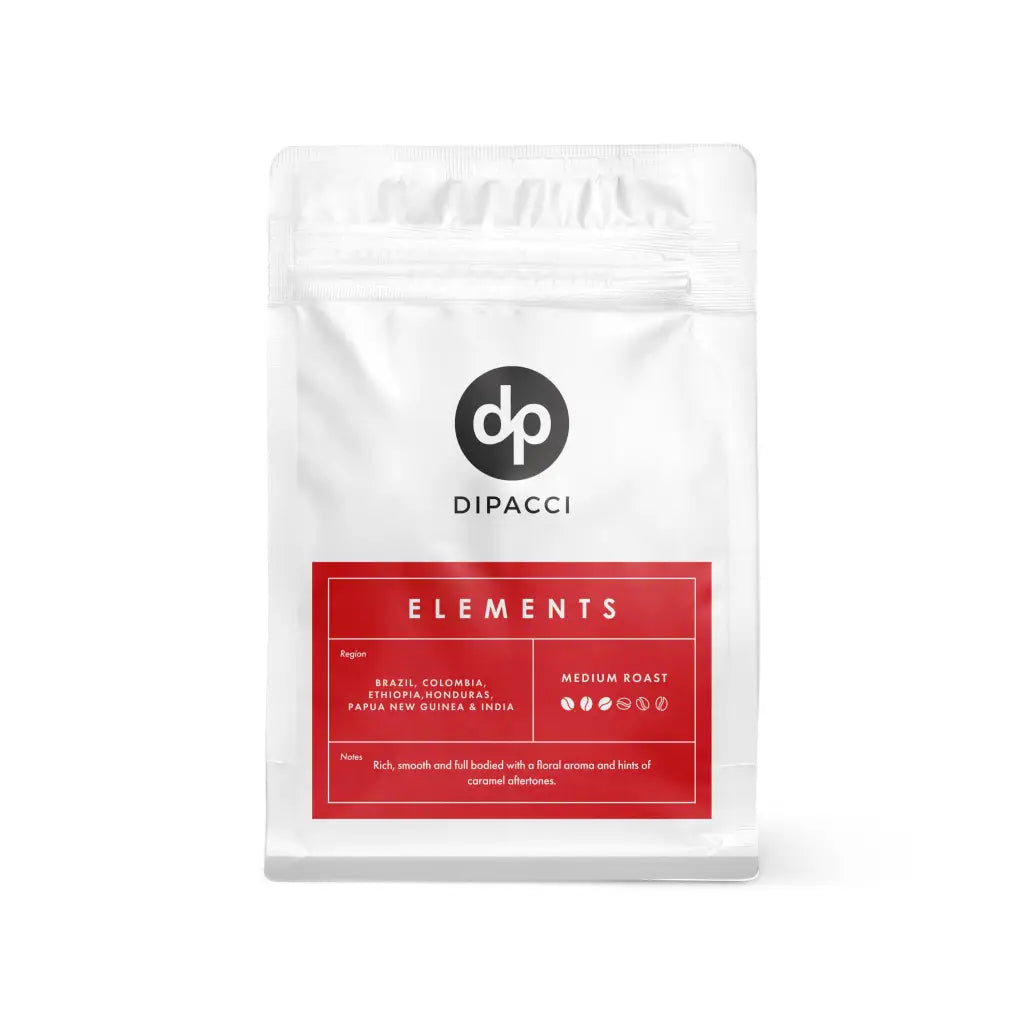
Di Pacci Elements Blend coffee beans — fresh roast produces better crema espresso Fresh beans roasted within 2–4 weeks produce significantly more crema than older beans — the CO₂ that creates crema degasses from coffee over time after roasting. 3 — What Affects Crema Quality

Six variables control whether your crema is thick and persistent or thin and disappearing:

Fresh Beans (2–4 weeks post-roast)

The single biggest crema variable. Freshly roasted beans are loaded with CO₂ — the gas that forms crema bubbles. As beans age, CO₂ degasses slowly until at 6–8 weeks post-roast there's very little left. Fresh beans = thick, persistent crema. Old beans = thin, pale, fast-dissipating crema.

Correct Pressure (~9 bar)

Crema requires sufficient pressure to dissolve CO₂ into the water and emulsify oils. Machines operating below 7 bar produce little or no crema. Pressure that's too high (above 11 bar) can produce excessive but unstable crema with a harsh flavour.

Fine, Consistent Grind

A fine, even grind creates the resistance needed for proper pressure to build across the puck. A coarse or inconsistent grind causes the water to pass through too quickly at insufficient pressure — producing thin, pale crema and a sour shot.

⚠️ Stale or Old Beans

Beans more than 5–6 weeks from roast date have lost most of their CO₂. The result is thin, pale, fast-dissipating crema regardless of grind, pressure or technique. No amount of adjustment will produce good crema from genuinely stale beans.

⚠️ Robusta Beans

Robusta beans produce much thicker, more persistent crema than Arabica — a fact the instant coffee industry exploited for decades. If you see an unusually thick, frothy, very light crema, the blend likely contains a significant Robusta component. Robusta crema looks impressive but often tastes harsh and rubbery.

⚠️ Dirty Machine or Old Oils

Rancid coffee oils in the group head, basket and portafilter contaminate fresh crema with stale compounds. A clean machine produces brighter, more flavourful crema. If your crema has an off-colour or dissipates unusually fast despite fresh beans, clean your machine.

4 — Does Thick Crema Mean a Better Shot?

This is the most important thing to understand about crema — and the most commonly misunderstood:

Crema is an indicator, not the goal. A shot with beautiful thick crema can still taste sour or bitter. A shot with thinner crema from a washed light-roast single origin can taste extraordinary. Crema is a byproduct of the extraction process — it tells you things about your beans, pressure and extraction, but it doesn't directly determine the flavour of the coffee. Taste the shot. That's the only true measure.

Crema appearance What it suggests Flavour to expect
Thick, dark reddish-brown, tiger stripe Good extraction, fresh beans, correct pressure Rich, balanced — but taste to confirm
Thick, very pale, frothy High Robusta content or very fresh beans May taste harsh — Robusta crema ≠ quality
Thin, pale yellow, dissipates immediately Under-extracted, old beans, or pressure too low Likely sour and thin
Dark, oily, almost black Over-extracted or very dark roast Likely bitter and harsh
Thin but golden-hazelnut colour Light roast, lower CO₂ — still excellent Often bright, sweet, complex — don't judge on thickness alone
White spots or tiger stripe pattern Best sign — well-balanced extraction Usually sweet, balanced, rounded
5 — Crema Myths — Busted
❌ Myth
"Thick crema always means a great shot"

False. Robusta beans produce very thick crema but often taste harsh and rubbery. Stale, over-pressured or channelled shots can produce thick crema too. Taste the shot — crema is a clue, not a verdict.

❌ Myth
"You should always stir the crema in before drinking"

Preference, not rule. Crema has a slightly bitter, roasty flavour — stirring it distributes this through the shot. Some prefer drinking through it for a more intense first sip. Neither is wrong. Try both and decide what you like.

❌ Myth
"No crema means the machine is broken"

Usually it means the beans are too old, the grind is too coarse, or pressure is too low. Crema is primarily a freshness and extraction indicator — not a machine health indicator. Start with fresh beans before assuming equipment failure.

❌ Myth
"Crema makes espresso bitter — you should remove it"

Crema does have a slightly more bitter taste than the liquid espresso below it, but it also carries aromatics and body that contribute positively to the overall cup. Removing crema removes aroma compounds along with the bitterness.

✅ True
"Light roast beans produce less crema than dark roast"

Generally true. Darker roasts produce more CO₂ during roasting and more oils are pushed to the surface — both contribute to thicker crema. Light roast single origins often produce thinner, lighter crema that doesn't reflect shot quality at all. Judge light roasts by taste, not crema.

✅ True
"Very fresh beans (1–3 days post-roast) can produce too much crema"

True. Beans roasted within 1–3 days release so much CO₂ that it can disrupt extraction — the gas creates channels through the puck, producing an overly gassy, unstable crema and uneven flavour. Most roasters recommend resting espresso beans 5–14 days post-roast before pulling shots.

6 — How to Improve Your Crema at Home

If your crema is consistently thin, pale or disappearing within seconds, work through this checklist:

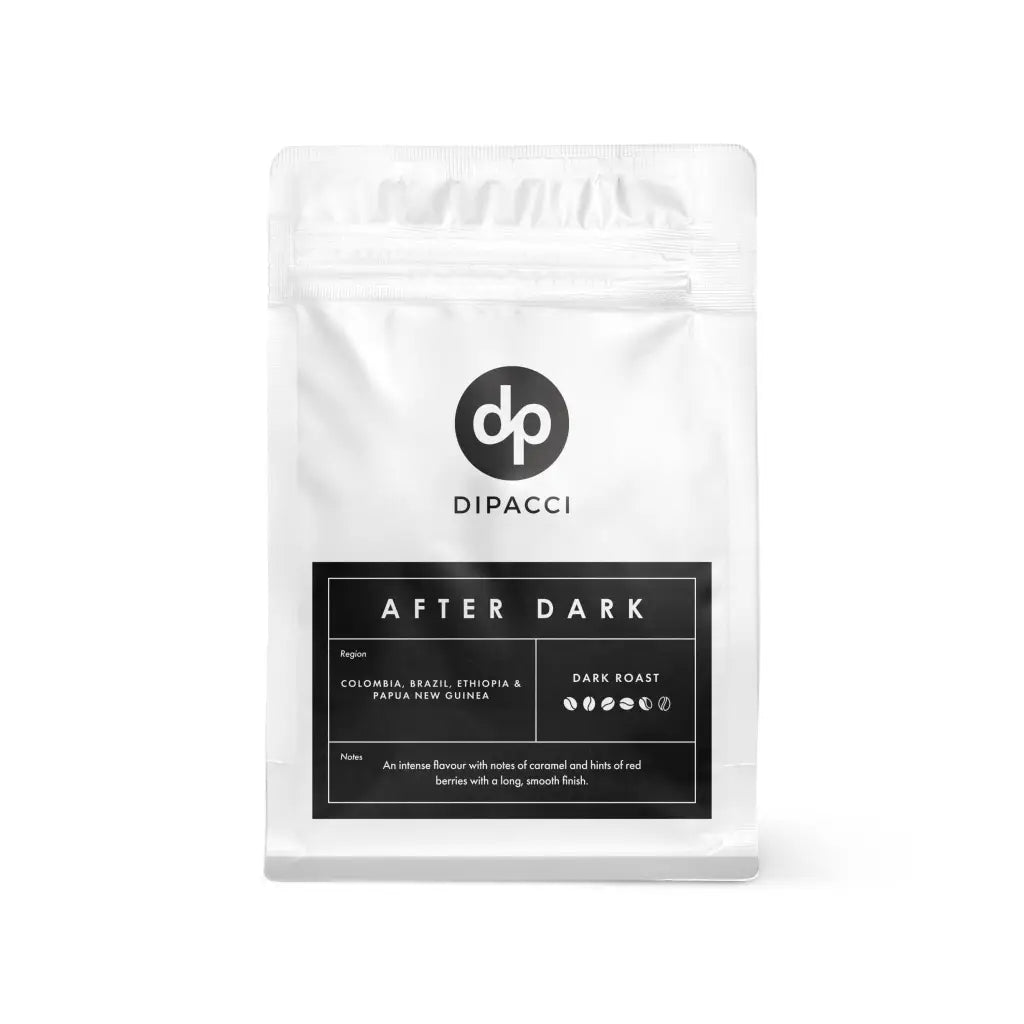
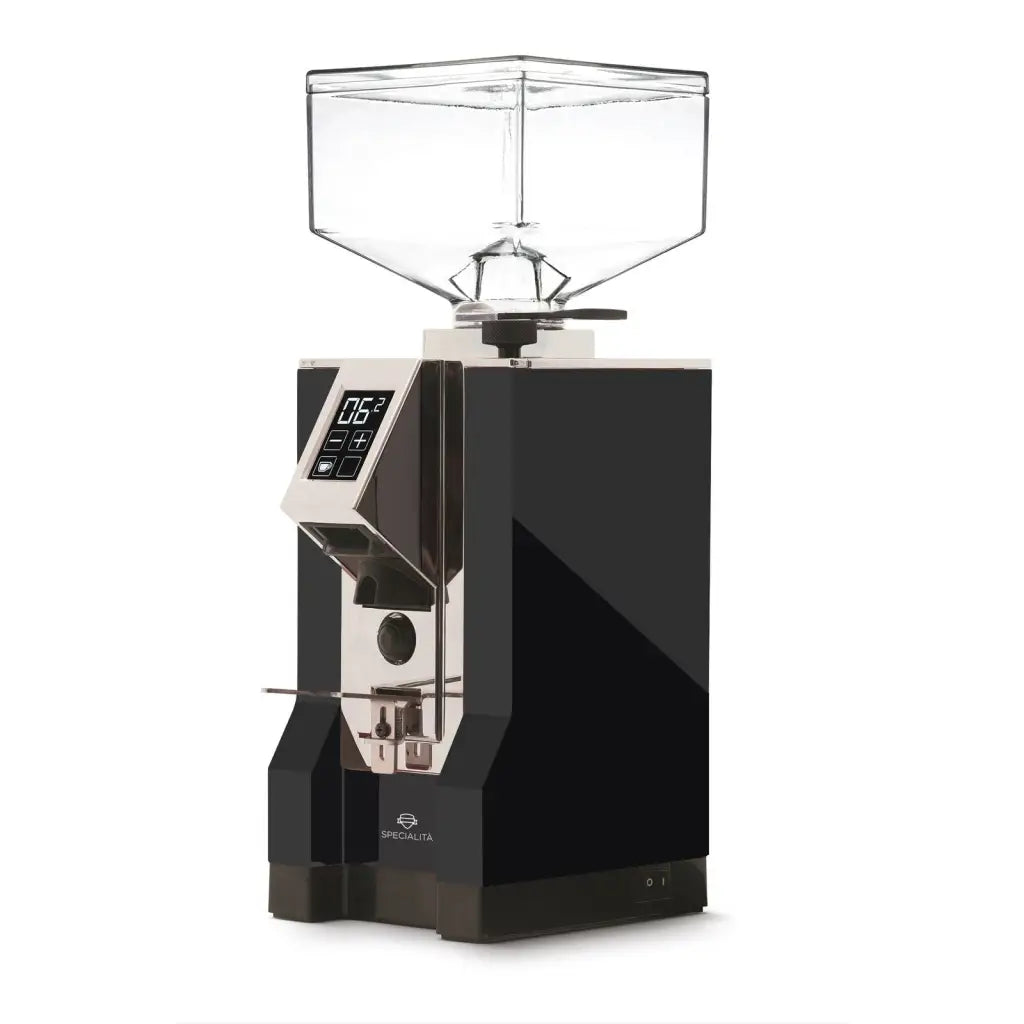
After Dark Blend Di Pacci — dark roast espresso beans for thick crema Eureka Mignon Specialita grinder — consistent grind for better espresso crema Di Pacci
Two of the biggest crema factors: fresh beans roasted within 2–4 weeks (left — Di Pacci After Dark blend), and a quality burr grinder producing a consistent fine grind (right — Eureka Mignon Specialita).
  • Use fresher beans — check the roast date. Beans should be 5–21 days post-roast for espresso. If there's no roast date on the bag, that's a red flag. Di Pacci roasts in-house and dates every bag →
  • Grind finer — if your shot runs in under 20 seconds, your grind is too coarse. Grind finer until you hit 25–32 seconds for a 1:2 ratio. Finer grind = more resistance = better pressure build = better crema.
  • Check your machine's pressure — use a pressure gauge. Most home machines should read 8–10 bar during extraction. Below 7 bar consistently means the pump needs service.
  • Clean your machine — rancid oils degrade crema quality and flavour. Backflush weekly and descale every 2–3 months. Full descaling guide →
  • Try a medium-dark roast — if you're using light roast single origins and getting thin crema, that's normal. Switch to a medium-dark blend like Di Pacci Elements or After Dark for more crema volume.
  • Upgrade your grinder — a quality burr grinder produces consistent particle size that builds even pressure across the puck. Inconsistent grind creates uneven pressure, channelling, and patchy crema. Browse home burr grinders →
7 — Frequently Asked Questions
The most common causes are: beans too old (more than 5–6 weeks from roast date), grind too coarse (water passes through too fast at insufficient pressure), machine pressure too low (below 7 bar), or machine needs cleaning (rancid oils disrupt emulsification). Start with fresh beans — that alone fixes the majority of no-crema problems. If beans are fresh and crema is still thin, grind finer until your shot time is 25–32 seconds.
Crema has a slightly more bitter, roasty flavour than the liquid espresso below it — this is normal. It contains concentrated melanoidins and CO₂ compounds that are more intensely flavoured than the diluted extraction. Some people prefer to stir crema in; others drink through it. Neither is wrong. If crema tastes harshly or unpleasantly bitter, that usually indicates over-extraction — grind coarser or shorten the shot.
Good crema from fresh beans and correct extraction persists for 1–2 minutes before starting to break down. A shot with very fresh beans (5–10 days post-roast) and correct extraction can hold crema for 3–4 minutes. Crema that disappears within 10–15 seconds indicates old beans, under-extraction or insufficient pressure. Drink your espresso while the crema is still intact — it carries aromatics that add to the overall flavour experience.
Yes — crema dissipates almost immediately when milk is poured over or through it. This is completely normal. The fat and proteins in steamed milk break down the CO₂ foam structure within seconds of contact. This is why milk-based drinks are judged by their milk texture and overall flavour balance rather than crema persistence. For milk drinks, crema matters at the extraction stage (indicating a good shot) but not in the finished cup.
Very pale or white crema almost always means under-extraction — the water is passing through the coffee too quickly to properly dissolve the melanoidins that colour crema dark brown. The fix is to grind finer. If you've already tried that and crema remains pale, check your brew temperature — below 88°C will produce under-extracted, pale crema. Also check your beans are fresh — beans lacking CO₂ produce thin pale foam rather than proper crema structure.
Yes — most Nespresso and pod machines operate at sufficient pressure (15–19 bar in many models) to produce crema. However, many capsule machines use a pressurised crema-creation system that produces foam artificially, not through true emulsification. The crema from pressurised systems is lighter, less flavourful and dissipates faster than crema from a well-dialled semi-automatic espresso machine. It looks similar but is a different product.
The tiger stripe — alternating dark brown and pale streaks that appear across crema during and just after extraction — is one of the best visual indicators of a well-balanced shot. It's created when the darker early extraction (concentrated) and the lighter later extraction (more dilute) combine in a specific way that indicates even, channelling-free extraction across the puck. Not every great shot produces a tiger stripe, but when you see one it's a very positive sign.
Related Guides
About the Author Mik Di Pacci — Founder & CEO, Di Pacci Coffee Company

Mik Di Pacci is the Founder & CEO of Di Pacci Coffee Company, Australia's largest coffee machine and grinder specialist since 2010. Di Pacci roasts its own coffee in-house at Roselands, operates five showrooms, and runs a barista training academy — meaning crema is something the Di Pacci team evaluates, explains and troubleshoots every single day across thousands of home and commercial setups.

Pull Better Shots with Better Crema Fresh-roasted beans · Quality grinders · Expert advice · Five Australian showrooms · (02) 9758 0760

Leave a comment